BB Cream vs. CC Cream vs. Skin Tint OEM: Choosing the Right Tinted Skincare Formula
- Share
- Issue Time
- Nov 25,2026
Summary
A B2B and user-experience guide comparing BB cream, CC cream, and skin tint formulas. Explains coverage, oil control, and breathable wear, highlights four pigment-friendly skincare actives including zinc oxide and niacinamide, covers oxidation prevention, cosmetic vs. SPF claim compliance, and LIZEE Care's flexible OEM process from a 1,000-bottle baseline per shade.
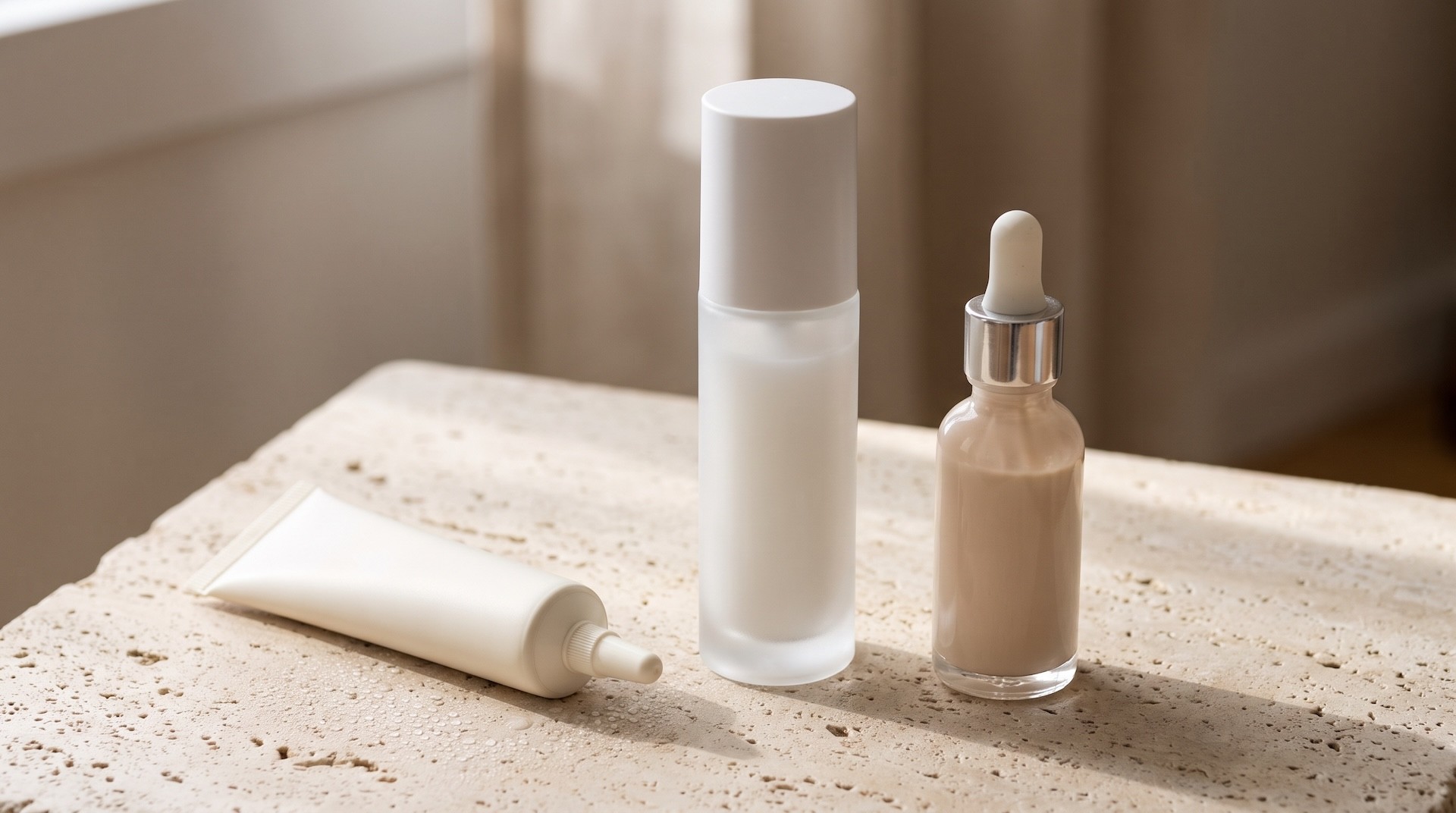
Choose a BB cream for balanced daily moisture and light-to-medium adaptive coverage, a CC cream for neutralizing redness or dullness with oil control, and a skin tint for sheer, serum-like breathability. Matching pigment blending, shade count, and UV positioning to your target market's climate and regulations keeps your launch smooth from sampling to shelf.
- Why Are Consumers Switching to Tinted Skincare?
- BB Cream vs CC Cream vs Skin Tint: How They Wear?
- Which Skincare Actives Pair Well With Pigments?
- How to Avoid Oxidation, White Cast & Pilling?
- What Packaging & Compliance Rules Apply to Tints?
- How Do BB, CC & Skin Tint OEM Launches Work?
- Frequently Asked Questions on Tinted OEM
- Start Your Custom Tinted Skincare Line
Shoppers today want skin that looks even and fresh without feeling like they are wearing a heavy mask. If a tinted cream settles into fine lines by afternoon, turns orange two hours after application, or feels greasy in humid weather, customers rarely finish the tube.
If you are planning a hybrid complexion product from our Tinted Skincare (BB & CC) Customization lineup or adding a tinted step to your facial care collection, here is how the three main formats compare from both the wearer's mirror and the manufacturing bench.
Why Are Consumers Switching to Tinted Skincare?
Traditional full-coverage foundations often require primers, brushes, and setting powders to avoid looking dry or cakey. Across 2026 retail and beauty-clinic trends, busy shoppers are moving toward breathable, skincare-first tinted formulas they can blend with clean fingertips in thirty seconds.
This shift is especially strong among mature-skin buyers and people with redness-prone or acne-prone skin who dislike heavy makeup. For brands and spas, tinted skincare combines the immediate visual confidence of light coverage with the comfortable daily wear of a moisturizer.
BB Cream vs CC Cream vs Skin Tint: How They Wear?
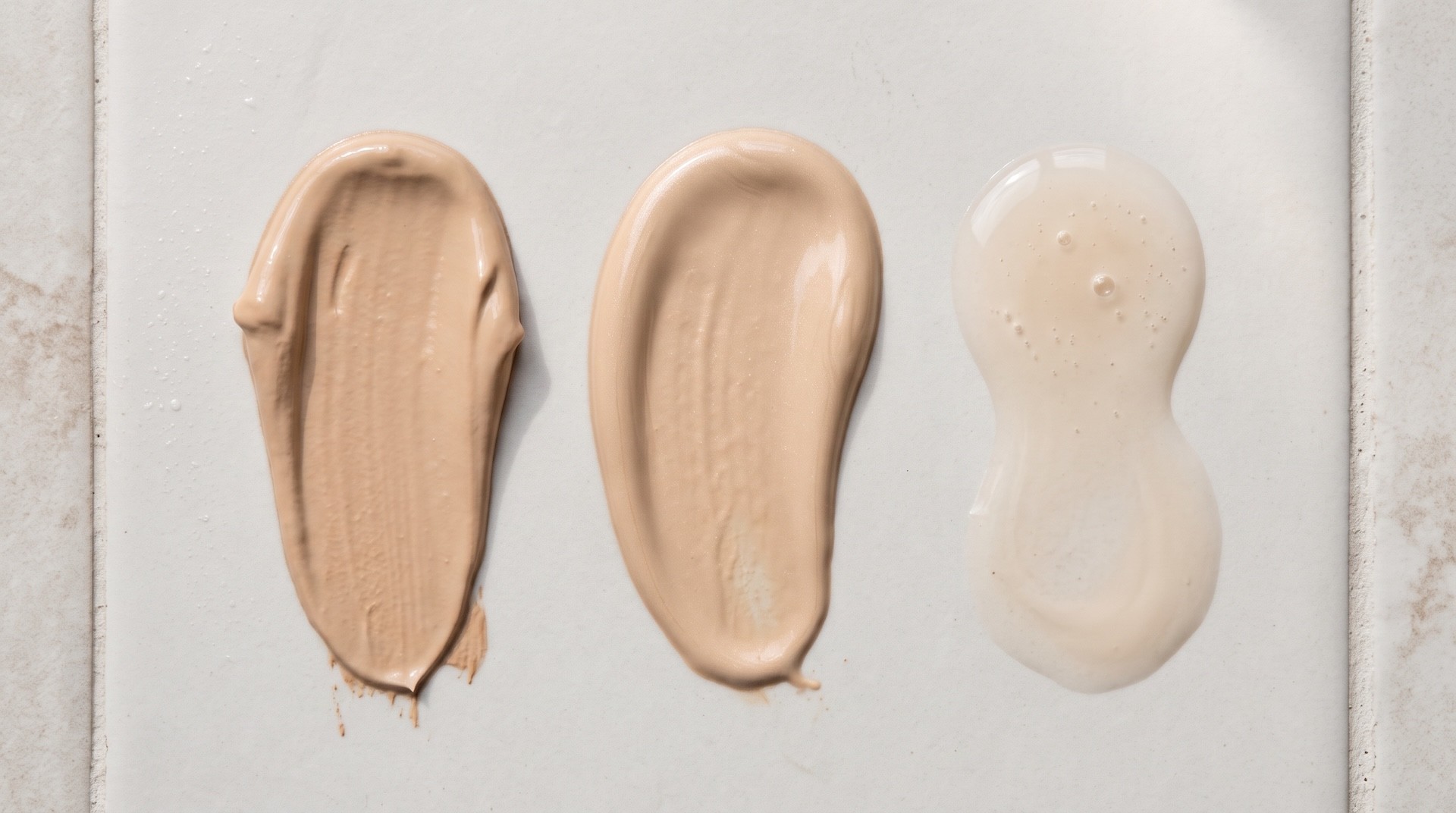
While all three formats pair skincare bases with mineral pigments, each wears noticeably differently on the skin and attracts its own audience:
| Tinted Format | How It Feels & Looks on Skin | Core Functional Focus | Best Skin Type & Climate |
|---|---|---|---|
| BB Cream (Beauty Balm) | Creamy, cushiony glide with buildable light-to-medium coverage and a soft satin finish. | Daily hydration, pore blurring, and quick one-step tone evening. | Normal to dry skin; everyday year-round wear. |
| CC Cream (Color Correcting) | Lighter, breathable emulsion that tones down redness, sallow patches, or dullness without feeling heavy. | Color correction, shine control, and comfortable wear on mature or reactive skin. | Oily, combination, mature, or redness-prone skin. |
| Skin Tint | Featherlight, serum-like fluid offering sheer, second-skin coverage that lets natural skin show through. | Breathable comfort and bare-skin radiance with minimal makeup feel. | Humid climates, minimal-makeup shoppers, and dry-to-normal skin. |
In our catalog, brands often benchmark against our Custom BB Cream Tinted Moisturizer with Sunscreen Function for balanced hydration and adaptive coverage, or our Custom CC Cream Illumination with Sunscreen Function for oil-balancing, zinc-oxide-infused tone correction.
Which Skincare Actives Pair Well With Pigments?
Pigmented creams behave differently from clear serums. Adding strong acids or heavy waxes can make pigments clump or cling to dry patches. Reliable tinted skincare formulas usually stay focused on four pigment-friendly ingredients:
- Zinc Oxide: A gentle mineral UV filter that also offers soothing comfort for reactive or blemish-prone skin, making it a staple in illuminating CC creams.
- Niacinamide: Helps control midday shine and smooth visible pores so oily and combination skin stays fresh longer.
- Hyaluronic Acid & Plant Squalane: Keeps dry areas soft underneath mineral pigments so the cream glides evenly instead of catching on flakes.
- Surface-Treated Iron Oxides: Coated mineral colorants that blend cleanly across warm, cool, and neutral undertones without chalkiness.
How to Avoid Oxidation, White Cast & Pilling?
Three everyday wear complaints drive most negative reviews in tinted skincare, and all three are solved during formulation and lab testing:
- Turning Orange or Darkening (Oxidation): Happens when uncoated pigments react with skin oils and air over several hours. Using surface-treated iron oxides, supporting antioxidants, and thorough pigment blending keeps the shade true from morning to evening.
- Chalky White Cast: Common in poorly dispersed mineral formulas. Finely milled mineral filters paired with balanced iron oxide undertones help the cream melt into skin cleanly.
- Pilling & Oil-Water Separation: Inside our Quality Control lab, every batch undergoes hot-and-cold temperature cycles (including freeze-thaw checks), viscosity checks, and bacteria and mold growth tests so pigments stay evenly suspended through international transit. If your brand needs instrumental SPF verification or human wear and hydration data, LIZEE Care can also coordinate testing directly with our vetted partner third-party laboratories.
What Packaging & Compliance Rules Apply to Tints?
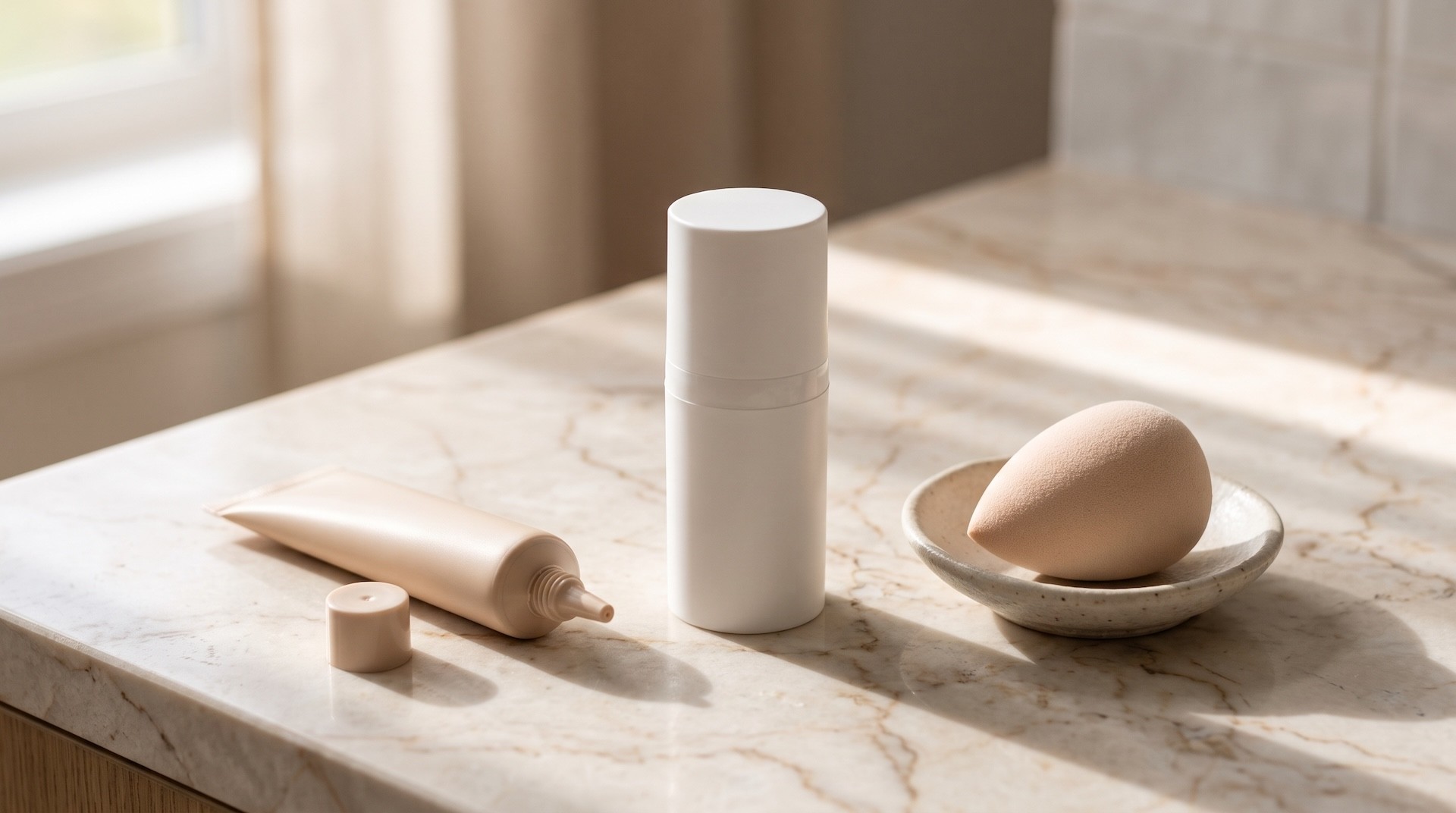
Packaging affects both shelf hygiene and daily mess. Open wide-mouth jars let tinted creams dry out around the rim and oxidize faster. Instead, brands typically choose narrow-nozzle squeeze tubes for clean, controlled dispensing or airless pump bottles that limit outside air and prevent dried pigment plugs at the tip. If you do not have your own packaging suppliers, LIZEE Care can source tubes, airless bottles, and pumps on your behalf and work directly with packaging suppliers to run pump endurance, leakage, and formula compatibility tests before production.
Regulatory planning is just as important if you plan to include sun protection. A tinted moisturizer or skin tint without an SPF claim is regulated as a standard cosmetic under FDA MoCRA, FDA Cosmetics Labeling Claims rules, and the EU CosIng database. Adding an explicit SPF sunscreen claim in the United States brings the product under the FDA OTC sunscreen drug rules, which require Drug Facts labeling, approved UV filters, and formal SPF testing. Confirming your target market and SPF strategy early avoids unexpected launch delays. Every batch at LIZEE Care is made in GMPC and ISO 22716 certified cleanrooms, backed by active FDA facility registration with a designated US Agent and batch-specific COA and SDS files.
How Do BB, CC & Skin Tint OEM Launches Work?
Established in 2012, LIZEE Care supports brands across our Private Label and Custom Manufacturing programs along a flexible spectrum. You can launch quickly with ready-to-brand, stability-tested bases, take a semi-custom route by tuning undertones, finish (matte versus dewy), or fragrance-free status (subject to lab stability checks), or build a bespoke tinted formula from scratch.
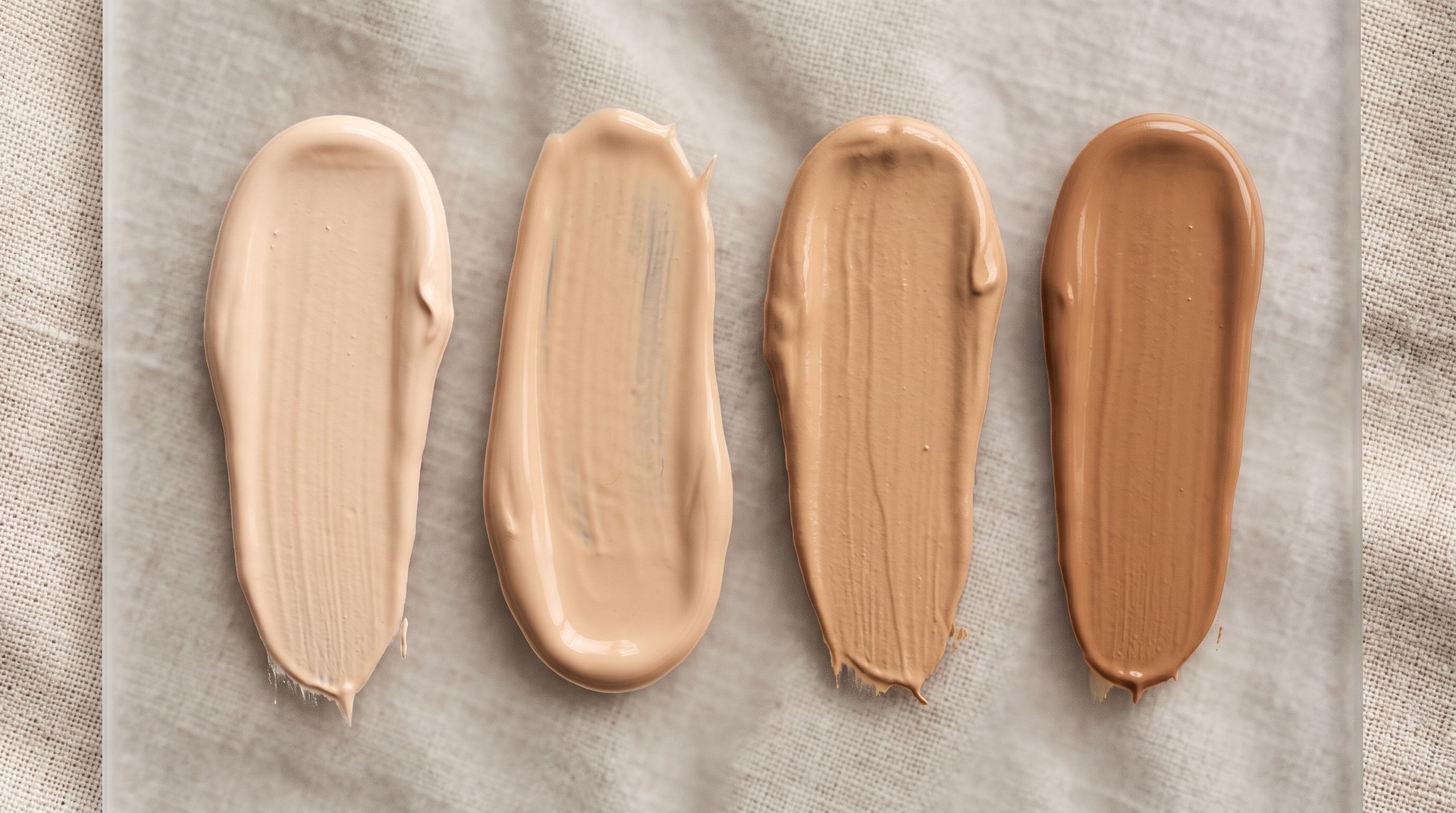
Tinted tubes and bottles start from our standard 1,000-bottle baseline per shade/SKU, adjusting based on container size, custom molds or printing, and specialty pigment pack sizes. Because sheer and adaptive pigments stretch across multiple skin tones, many emerging brands launch cleanly with 3 to 5 flexible shades before expanding their shade range. A standard rollout follows four steps:
Frequently Asked Questions on Tinted OEM
The 1,000-bottle baseline applies per shade (per SKU), because each shade requires its own pigment batch, color-matching QC release, and dedicated filling run. Sheer, adaptive BB and skin tint formulas help new brands cover a wide audience with 3 to 5 core shades.
Yes. Our 2–3 included semi-finished sample adjustment rounds cover undertone tuning, coverage level, matte versus dewy finish, and fragrance-free options before you lock your production order.
Yes. While our internal QC lab handles thermal stability, pH, viscosity, and preservative testing, we can coordinate directly with vetted partner third-party laboratories when your brand needs instrumental SPF or human hydration testing.
LIZEE Care can source tubes, airless pumps, and bottles on your behalf and run leak and compatibility checks with our packaging suppliers. Standard pricing is EXW (Ex Works) with T/T 50/50 payment terms, and freight consolidation can be arranged on request. For more details on lead times and project policies, visit our LIZEE Care FAQ page.
Ready to compare adaptive BB creams, oil-controlling CC creams, and breathable skin tints firsthand? Contact our team with your target market, preferred coverage finish, and estimated shade plan to request free semi-finished lab samples.
Request Lab Samples & Quote