How to Choose the Right Barrier Repair Products: Ceramides, Panthenol & Cica Guide?
- Share
- Issue Time
- Nov 23,2026
Summary
A practical B2B guide to choosing barrier repair skincare products for your brand. Explains why barrier health supports gentle anti-aging, compares ceramides, panthenol (Vitamin B5), and cica (Centella Asiatica), covers fragrance-free formulation and stability testing, and outlines LIZEE Care's flexible OEM process from a 1,000-bottle baseline (10,000 pieces for sheet masks).
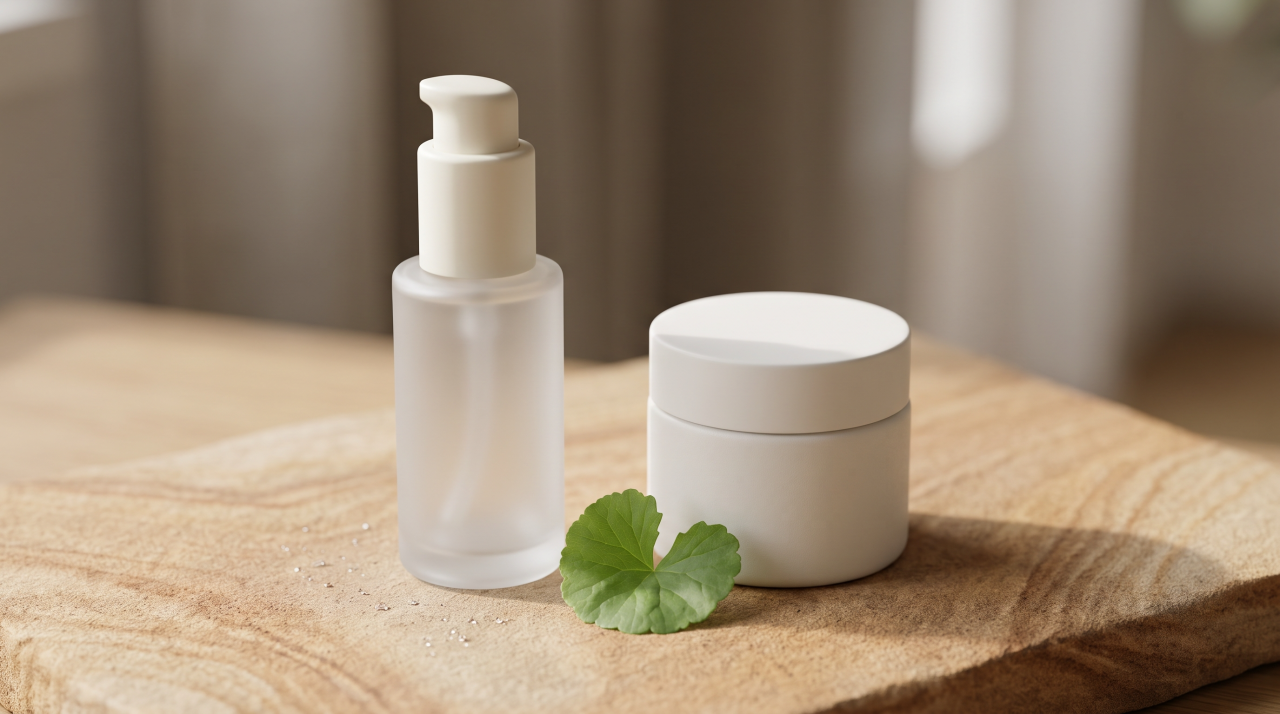
To choose the right barrier repair products for your brand, match the core active to the skin concern: ceramides replenish missing surface lipids for dry or flaky skin, panthenol (Vitamin B5) draws in water to calm tightness, and cica (Centella Asiatica) settles visible redness. Pair fragrance-free or low-irritant bases with thorough stability testing and airless or opaque packaging before moving into production.
- Why Barrier Repair Matters for Anti-Aging?
- Ceramides, Panthenol, or Cica: How They Compare?
- How Do Texture and Format Shape Repair Results?
- What Testing Proves Sensitive-Skin Safety?
- What Affects Barrier Repair Packaging and MOQ?
- How Do Barrier Repair OEM Launches Work?
- Frequently Asked Questions on Barrier OEM
- Start Your Custom Barrier Repair Line
Barrier repair has moved from a niche dermatology aisle to the center of everyday skincare. Shoppers dealing with over-exfoliation, dry climates, seasonal sensitivity, or recovery after salon treatments now look for calming creams and serums before they buy anything else.
If you are adding recovery SKUs to your facial care collection or building a gentle companion to your anti-aging line, here is how to compare the three main barrier ingredients and plan a reliable launch.
Why Barrier Repair Matters for Anti-Aging?
A healthy skin barrier does two basic jobs: it keeps moisture inside the skin and keeps everyday irritants out. When that outer layer gets stripped by harsh cleansers, cold wind, sun exposure, or strong exfoliating acids, skin loses water faster, looks dull, and shows fine dehydration lines much sooner.
That is why modern anti-aging routines often start with barrier support. When customers layer a soothing barrier serum or recovery cream alongside retinol or peptide treatments, they experience less redness and stinging, which helps them stick with the full routine long enough to reorder.
Ceramides, Panthenol, or Cica: How They Compare?
Many strong barrier formulas combine more than one calming ingredient, but knowing what each hero active does helps you position your SKU clearly for retail shoppers or beauty clinics:
| Barrier Active | What It Does in Plain Terms | Best Skin Concern | Typical Formula Format |
|---|---|---|---|
| Ceramides | Replaces natural surface lipids that act like mortar between skin cells to lock in moisture. | Dry, tight, flaky, or mature skin with a weakened barrier. | Rich recovery creams and milky barrier serums. |
| Panthenol (Vitamin B5) | Pulls water into the outer layer of skin and softens rough, uncomfortable patches. | Dehydrated, wind-chapped, or over-exfoliated skin. | Hydrating B5 serums, essence waters, and daily lotions. |
| Cica (Centella Asiatica) | A plant extract widely used to calm visible redness and settle reactive skin. | Redness-prone, stressed, or post-facial clinic skin. | Soothing gels, calming creams, and Cica facial sheet masks. |
In our catalog, brands often start with proven benchmarks such as our Custom Ceramide Repair Facial Serum, Multi-Molecular HA + B5 Serum, Custom Premier Barrier Recovery Facial Cream, or Custom Cica Calm Repair Facial Sheet Mask, then fine-tune the finish for their local climate.
How Do Texture and Format Shape Repair Results?
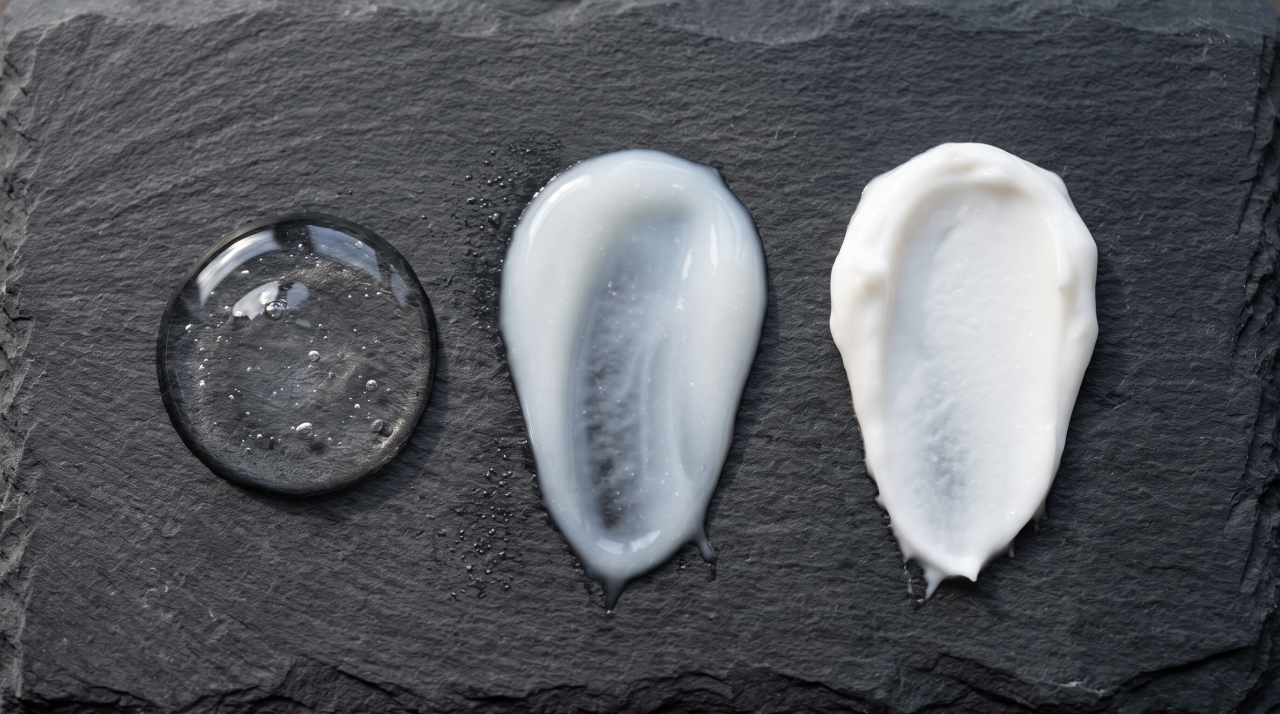
Even with the right ingredients, a barrier product fails if it feels wrong for the buyer's climate. A heavy occlusive balm that sells well during winter in Northern Europe can feel greasy and suffocating in Southeast Asia or humid coastal resorts.
- Lightweight Serums & Essence Waters: Absorb quickly without shine, making them easy to layer under sunscreen, makeup, or anti-aging creams.
- Daily Recovery Creams & Lotions: Balance water-binding ingredients like panthenol and hyaluronic acid with plant lipids like phytosterols or oat extracts to seal in hydration overnight.
- Soothing Sheet Masks: Deliver an immediate cooling feel for spa facials and post-sun recovery, though they follow a different production setup than bottled liquids.
What Testing Proves Sensitive-Skin Safety?
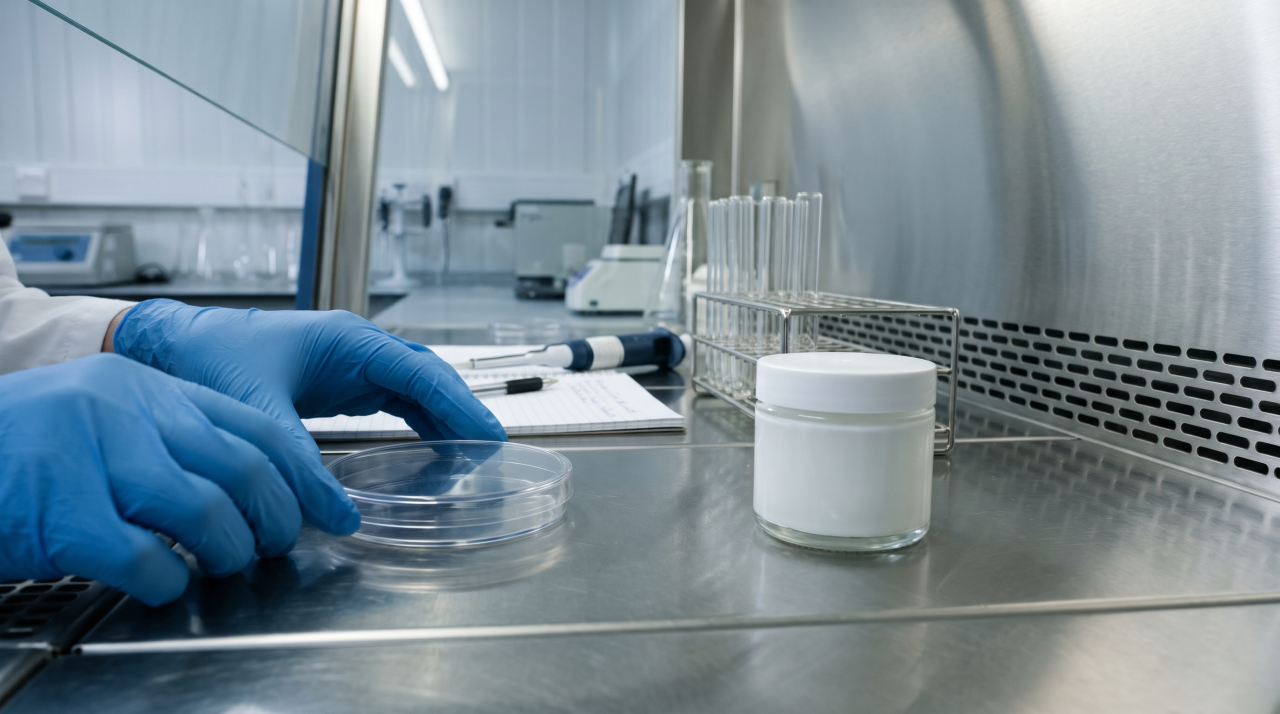
Customers buying barrier repair products usually have reactive skin, which leaves very little margin for error. Before approving any bulk batch, check how your manufacturer handles quality control and regulatory compliance:
- Fragrance-Free & Mild Preservation: Leaving out synthetic fragrance and strong essential oils lowers irritation risk. Broad-spectrum, mild preservative systems are checked through bacteria and mold growth tests so formulas stay safe in humid bathrooms.
- pH & Temperature Stability: Formulas are verified to stay pH-balanced to match healthy skin and tested in hot and cold chambers, including freeze-thaw cycles, so rich ceramide creams do not separate during ocean freight.
- Global Compliance Paperwork: Confirm your partner runs GMPC and ISO 22716 certified cleanrooms and holds active FDA MoCRA facility registration. LIZEE Care is FDA registered with a designated US Agent, checks ingredient limits against the EU CosIng database, and helps keep label wording within FDA Cosmetics Labeling Claims rules.
What Affects Barrier Repair Packaging and MOQ?
For sensitive-skin formulas, hygiene matters as much as shelf appearance. Airless pumps and opaque squeeze tubes limit finger contact and air exposure better than open wide-mouth jars, keeping fragrance-free creams clean over months of daily use.
At LIZEE Care, 1,000 bottles per SKU is our standard baseline, though exact minimums adjust based on three practical factors:
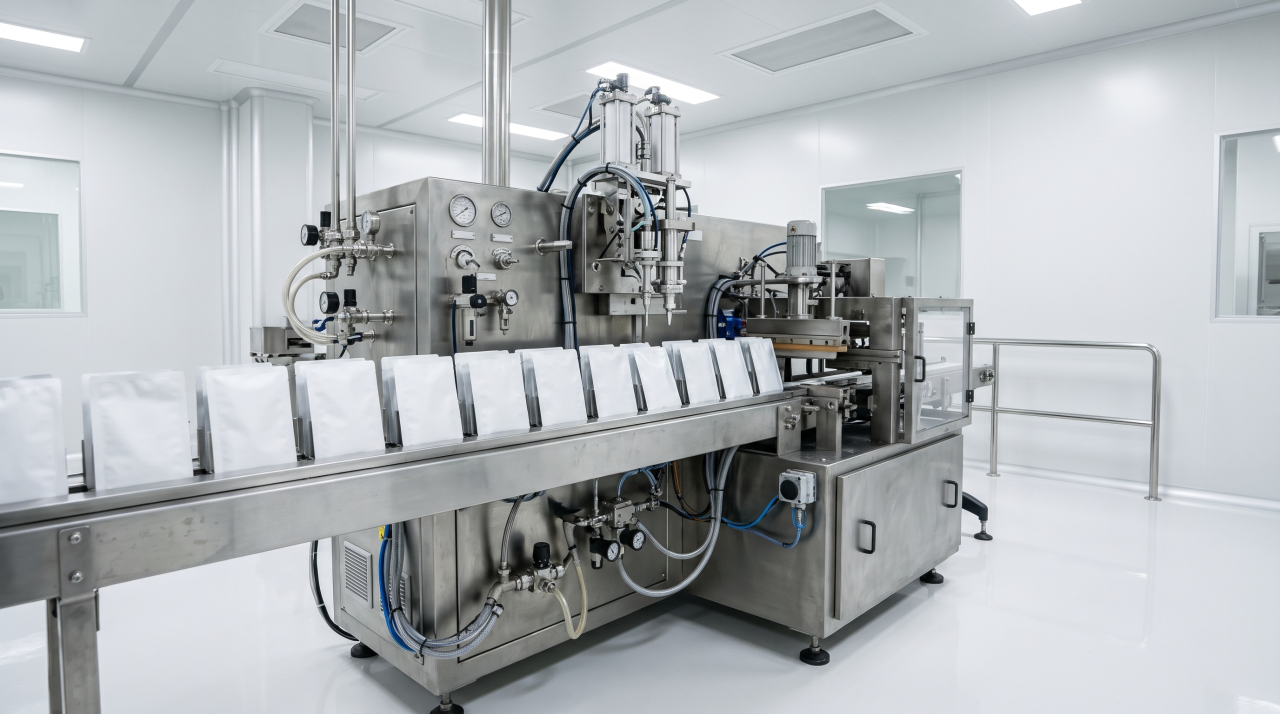
- Product Format: Bottled serums and creams follow that standard baseline, while facial sheet masks require 10,000 pieces per SKU due to foil pouch printing and automated line minimums.
- Container Volume: Standard retail bottle sizes stay close to the baseline, whereas oversized spa backbar containers require larger packaging runs.
- Custom Specifications: In-stock bottles with waterproof labels work smoothly on smaller runs, while custom molds, multi-color silk-screening, or specialty raw material pack sizes shift the final minimum.
If you do not have your own packaging suppliers yet, LIZEE Care can source bottles, tubes, jars, and pumps on your behalf and coordinate directly with packaging suppliers to run pump endurance, leakage, and formula compatibility tests before mass production.
How Do Barrier Repair OEM Launches Work?
Established in 2012, LIZEE Care gives buyers a flexible path across our Private Label and Custom Manufacturing programs. You can launch quickly with ready-to-brand, stability-tested bases, take a semi-custom route by tweaking a proven base to be fragrance-free or enriched with a hero botanical extract (subject to lab stability checks), or build a bespoke formula from scratch.
A typical launch moves through four clear stages:
Frequently Asked Questions on Barrier OEM
For sensitive-skin and beauty-clinic lines, going fragrance-free is usually the safest choice. If your retail brand prefers a subtle botanical note, our lab can prepare both fragrance-free and lightly scented options during your sampling rounds.
Yes. Many brands pair ceramides with panthenol and centella extract in a single recovery cream or serum so one SKU addresses dryness, tightness, and visible redness together. Any semi-custom addition goes through lab stability verification before production.
Bottled creams and serums can run smaller batches using in-stock bottles and waterproof labels, depending on capacity and print specs. Sheet masks require custom-printed foil pouches, die-cut mask sheets, and high-speed automated folding and sealing lines, which sets their minimum much higher.
Every batch ships with a Certificate of Analysis (COA), Safety Data Sheet (SDS), and ingredient lists aligned with FDA MoCRA and EU CosIng rules. Standard pricing is EXW (Ex Works) with T/T 50/50 terms, and freight consolidation can be arranged on request. For more details on lead times and custom project policies, visit our LIZEE Care FAQ page.
Ready to test ceramide, panthenol, and cica textures for your market? Contact our team with your target skin concern, preferred format, and estimated order quantity to request free semi-finished lab samples.
Request Lab Samples & Quote