How to Choose the Right Brightening Products for Your Brand: Actives, Packaging & Stability Guide?
- Share
- Issue Time
- Nov 21,2026
Summary
A practical B2B guide to selecting brightening skincare products for your brand. Covers stable multi-pathway actives like niacinamide, alpha-arbutin, tranexamic acid, and Vitamin C derivatives, UV-blocking and airless packaging to prevent oxidation, stability testing, FDA and EU compliance, and LIZEE Care's flexible OEM/ODM process starting from a 1,000-unit baseline MOQ.
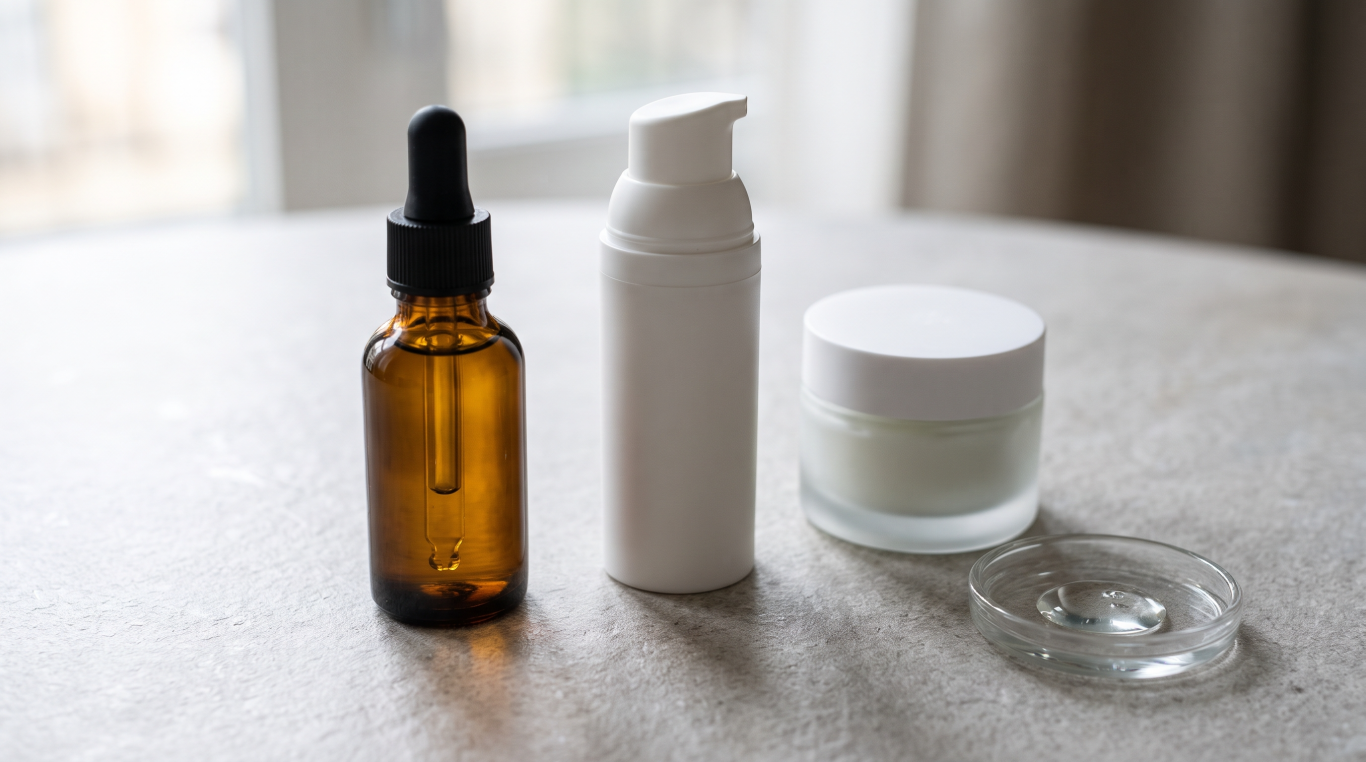
To choose the right brightening products for your brand, pick gentle, compliant ingredients like niacinamide, stabilized Vitamin C derivatives, alpha-arbutin, or tranexamic acid, pack oxidation-prone formulas in UV-blocking or airless bottles, and check color and pH stability before scaling up from a 1,000-unit baseline MOQ.
- Why Brightening Shifts from Bleaching to Glow?
- Which Brightening Actives Fit Your Target Market?
- How Packaging Prevents Brightening Oxidation?
- What Stability Tests Prove Shelf-Life Safety?
- How to Check FDA and EU Brightening Rules?
- How Do OEM Brightening Launches Work at LIZEE?
- Frequently Asked Questions on Brightening OEM
- Start Your Custom Brightening Product Line
Brightening skincare is a steady, high-demand category across retail beauty, aesthetic clinics, and spa menus. It is also one of the easiest categories to get wrong. A serum that looks clear and fresh on sample day can turn yellow, smell metallic, or run into import trouble six months later if the formula, bottle, and compliance checks are not planned together.
If you are planning a dark-spot serum or adding a brightening SKU to your facial care line, here is what to check before you place a production order.
Why Brightening Shifts from Bleaching to Glow?
Years ago, skin lightening often meant strong bleaching agents that irritated the skin and carried real safety risks. Today, both shoppers and regulators expect products that help skin look clearer and more even-toned without leaving it dry or irritated.
Uneven skin tone usually comes down to two things: dark spots left behind by sun exposure or breakouts, and dead surface cells that make the face look dull. Instead of relying on one harsh ingredient, modern formulas use milder combinations that calm redness, support natural surface renewal, and slow down excess pigment buildup. That way, customers can use the product every day without peeling or stinging.
Which Brightening Actives Fit Your Target Market?
The right ingredient depends on who buys your products, the climate they live in, and how long your inventory sits on the shelf. Here is how five common brightening ingredients compare across our Private Label and Custom Manufacturing programs:
| Brightening Active | What It Does in Plain Terms | Stability & Color Risk | Recommended Packaging |
|---|---|---|---|
| Niacinamide (Vitamin B3) | Softens the look of dark spots, balances surface oil, and supports the skin barrier. | Stable under normal room storage and mild pH levels. | Standard frosted glass, PET/PETG pump, or dropper bottle. |
| Stabilized Vitamin C Derivatives (e.g., Ethyl Ascorbic Acid) | Brightens dull skin and protects against daily stress with far less sting than pure L-ascorbic acid. | Moderate risk of yellowing over time if exposed to heat, light, and air. | Airless pump, UV-coated/amber bottle, or fresh-locking capsule format. |
| Alpha-Arbutin | A gentle dark-spot ingredient widely used as a safe alternative to hydroquinone. | Can gradually turn brown if exposed to high heat or the wrong pH. | Opaque or amber glass dropper, or airless treatment pump. |
| Tranexamic Acid | Targets stubborn uneven patches and post-acne marks; pairs well with niacinamide. | Generally stable in water-based serums and creams. | Clear or frosted glass dropper, airless pump, or laminated tube. |
| Licorice Root Extract | A soothing plant extract that calms visible redness while gently evening out skin tone. | May darken slightly over time if the extract concentration is high. | Tinted glass, opaque bottle, or airless dispenser. |
If you want ready-to-test benchmarks, our catalog includes options like our Custom Pure Arbutin Whitening Facial Serum, 10% Niacinamide Glow Serum, and Vitamin C Radiance Capsule Cream. Each is built to keep irritation low and shelf life predictable.
How Packaging Prevents Brightening Oxidation?
With brightening skincare, the bottle is not just for looks. It is part of what keeps the formula working. Even a well-made Vitamin C derivative or plant extract will darken and lose strength if sunlight and air get inside every time a customer opens the cap.
- Amber or UV-Coated Glass: Blocks sunlight that speeds up yellowing in clear serums and essences.
- Airless Pump Bottles: Uses a rising inner piston instead of a dip tube, so outside air does not flow back into the remaining product after each press.
- Opaque Squeeze Tubes & Jars: Good for brightening creams, sleeping masks, and capsule creams that do not need clear walls.
Your container choice also affects your minimum order. At LIZEE Care, production across ready-to-brand, semi-custom, and bespoke models starts from a 1,000-unit baseline MOQ per SKU. Final order quantities depend on whether you pick in-stock standard bottles or custom molds, waterproof labels or multi-color silk-screening and hot-stamping, and minimum pack sizes for specialty active ingredients. If you do not have your own packaging suppliers yet, we can source bottles, droppers, and airless pumps for you and work directly with those suppliers to run pump endurance, leakage, and formula compatibility tests before mass production.
What Stability Tests Prove Shelf-Life Safety?
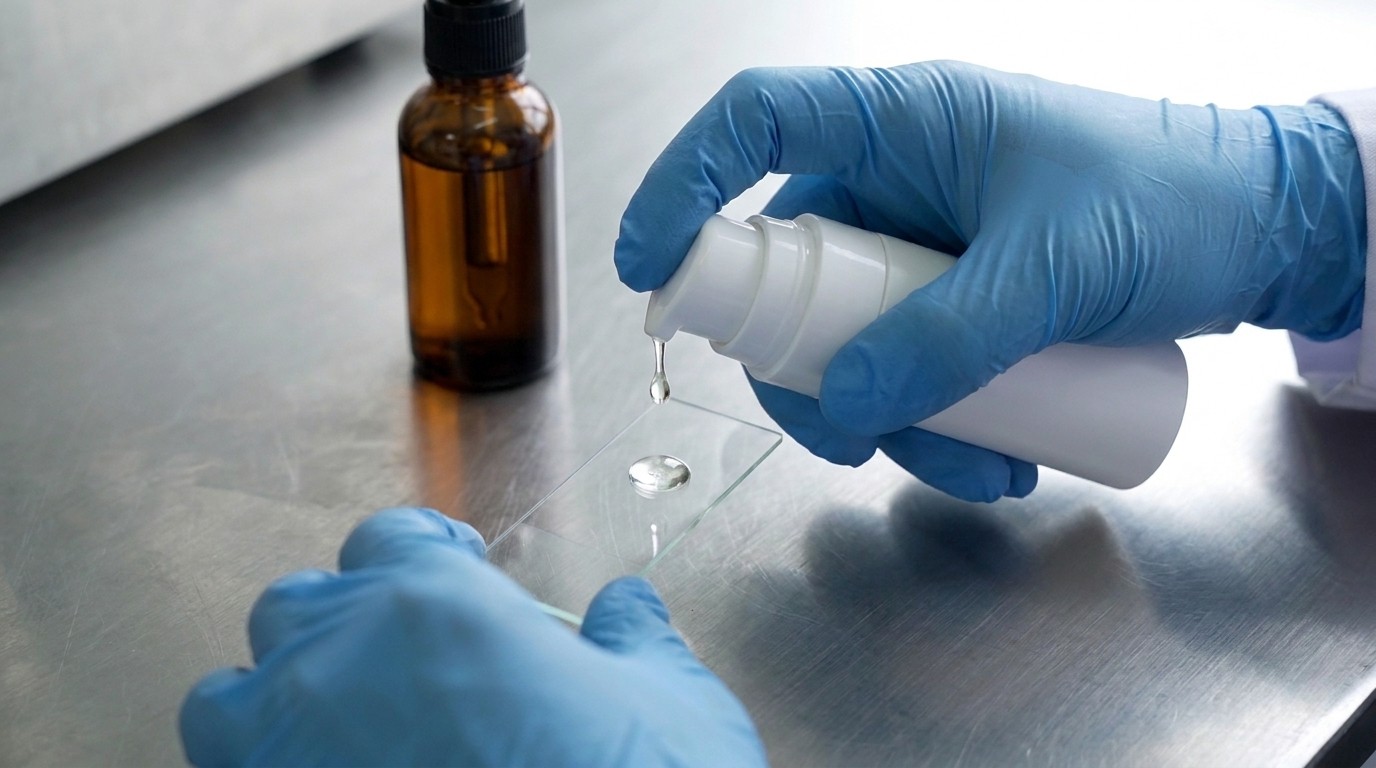
Never sign off on a bulk run based only on how a sample feels during week one. Before locking your order, ask your manufacturer what quality control tests they run to catch color shifts or separation early:
- Hot & Cold Temperature Checks: Samples sit in hot and cold chambers to make sure the liquid does not turn yellow, separate into layers, or thin out during summer ocean freight.
- Light Exposure Checks: Checking whether tinted or clear formulas hold their original color under store lighting.
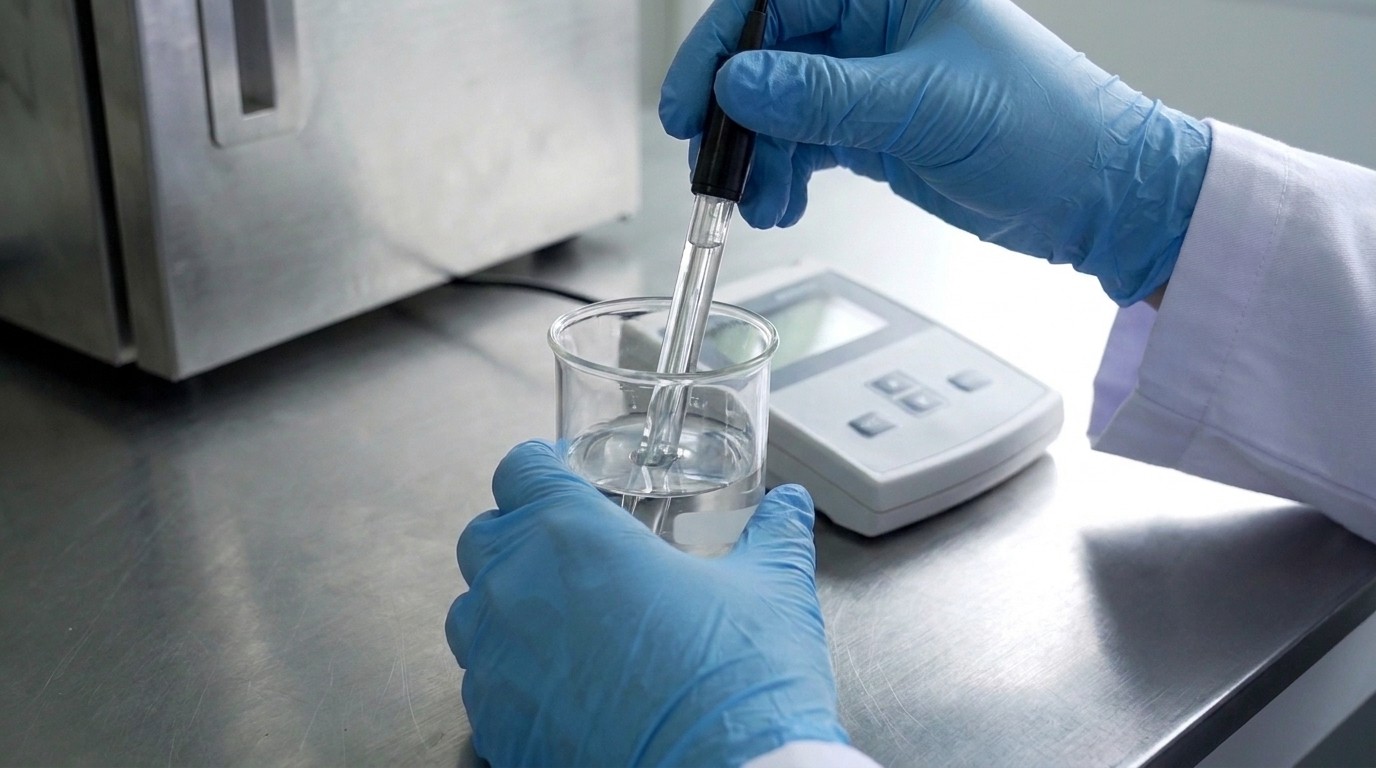
- pH & Preservative Checks: Confirming the formula stays pH-balanced to match healthy skin and passes bacteria and mold growth tests (preservative challenge testing) for its full shelf life.
Before you commit to an order, you should always test the formula yourself. LIZEE Care provides standard quantities of semi-finished bulk samples free of charge (clients cover international shipping), with 2–3 rounds of formula or scent adjustments included. You can see how our free skincare lab sampling service works before sending your brief.
How to Check FDA and EU Brightening Rules?
Brightening products get closer regulatory checks than basic moisturizers, so your factory’s paperwork matters from the start.
- Avoid Banned Lightening Agents: Both the U.S. FDA, under its Skin Facts! guidance, and the European Union under Regulation (EC) No 1223/2009 ban mercury and restrict or prohibit hydroquinone in over-the-counter cosmetics. Always confirm your supplier uses compliant cosmetic actives within local limits, such as those listed in the EU CosIng database.
- Keep Claims Within Cosmetic Limits: Under FDA Cosmetics Labeling Claims rules, phrases like "brightens," "evens skin tone," and "fades the look of dark spots" are standard cosmetic claims. Claiming to "treat melasma" or "stop pigment production" can turn your product into an unapproved drug.
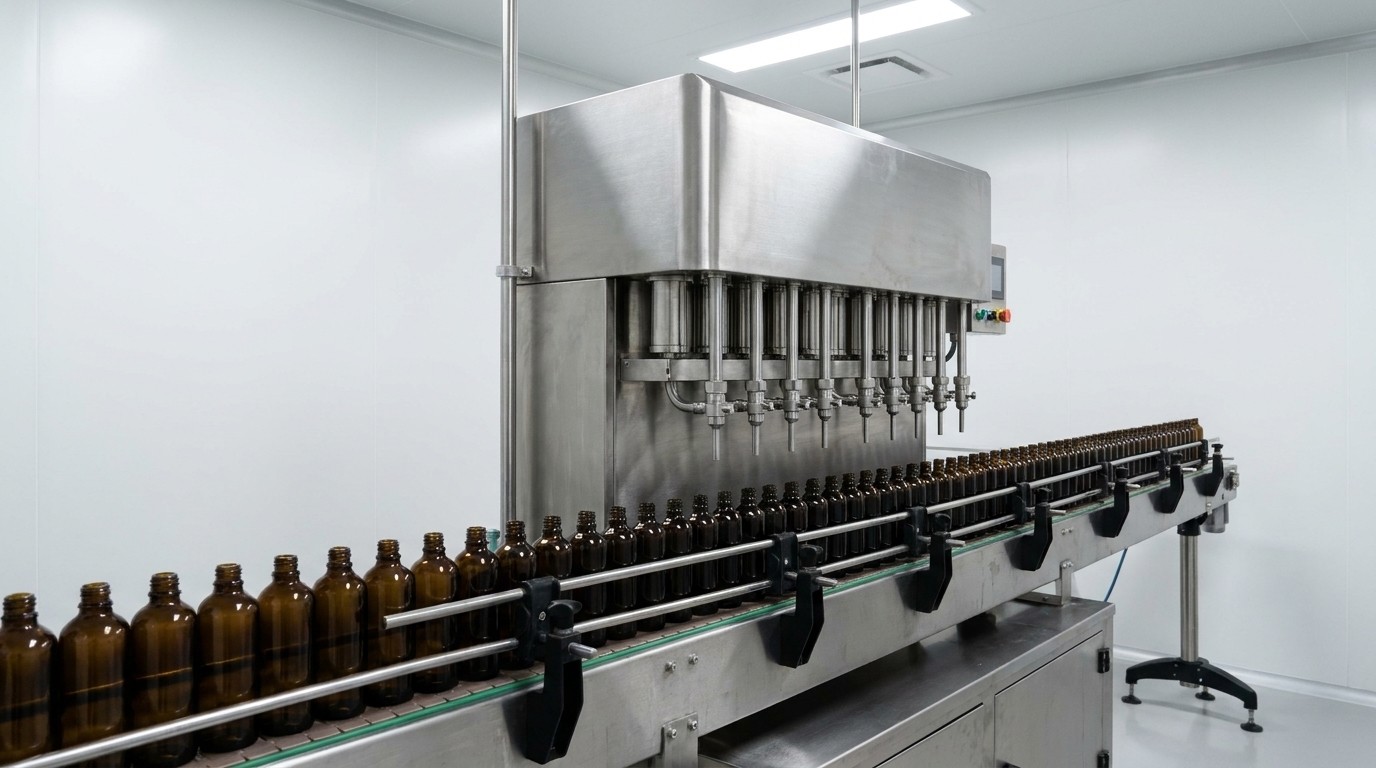
- Verify Factory Credentials: Check that your partner runs GMPC and ISO 22716 certified cleanrooms, holds active FDA MoCRA facility registration (LIZEE Care is FDA registered with a designated US Agent), and supplies batch-specific COA and SDS files for customs.
How Do OEM Brightening Launches Work at LIZEE?
Established in 2012, LIZEE Care does not force you to choose between basic stock private label and expensive ground-up R&D. You can pick ready-to-brand, stability-tested bases for the quickest launch, take a semi-custom route by adding a signature scent or hero active to a proven base (subject to lab stability checks), or build a custom formula from scratch.
A typical brightening SKU moves through four straightforward stages:
Frequently Asked Questions on Brightening OEM
Pure L-ascorbic acid reacts quickly with air, light, and heat. Using stabilized Vitamin C derivatives (like Ethyl Ascorbic Acid), balancing the pH with supporting antioxidants, and filling into amber glass or airless pump bottles slows down oxidation and keeps the serum clear on the shelf.
1,000 units per SKU is our baseline across ready-to-brand, semi-custom, and bespoke models. Final MOQs depend on your exact bottle and print choices, such as in-stock standard bottles versus custom molds, waterproof labels versus multi-color silk-screening or hot-stamping, and minimum pack sizes for specialty actives.
Adding new extracts or actives to an existing base can shift pH, thickness, or color over time. Every semi-custom adjustment goes through our lab stability check before we approve it for bulk production.
We provide batch-specific Certificates of Analysis (COA), Safety Data Sheets (SDS), and full ingredient percentage lists aligned with FDA MoCRA and EU CosIng rules. Standard pricing is EXW (Ex Works) with T/T 50/50 payment terms, and freight consolidation can be arranged on request.
Ready to compare textures, test airless or UV-blocking bottles, and review compliant brightening bases for your market? Contact our team with your target ingredients, format, and estimated order volume to request free semi-finished lab samples.
Request Lab Samples & Quote