Plastic, Glass, or Aluminum? How to Choose the Right Packaging Material for Your Skincare Line
- Share
- Issue Time
- Dec 20,2025
Summary
In the competitive beauty market, packaging is your "Silent Salesman." Choosing between Glass (luxury, inert), Plastic (versatile, durable), and Aluminum (eco-friendly, trendy) is critical for brand image and formula safety. LIZEE guides you through the pros and cons of each, including sustainable options like PCR and Bioplastics. We go beyond aesthetics, conducting rigorous compatibility tests (thermal, vacuum) to prevent chemical reactions and leakage.
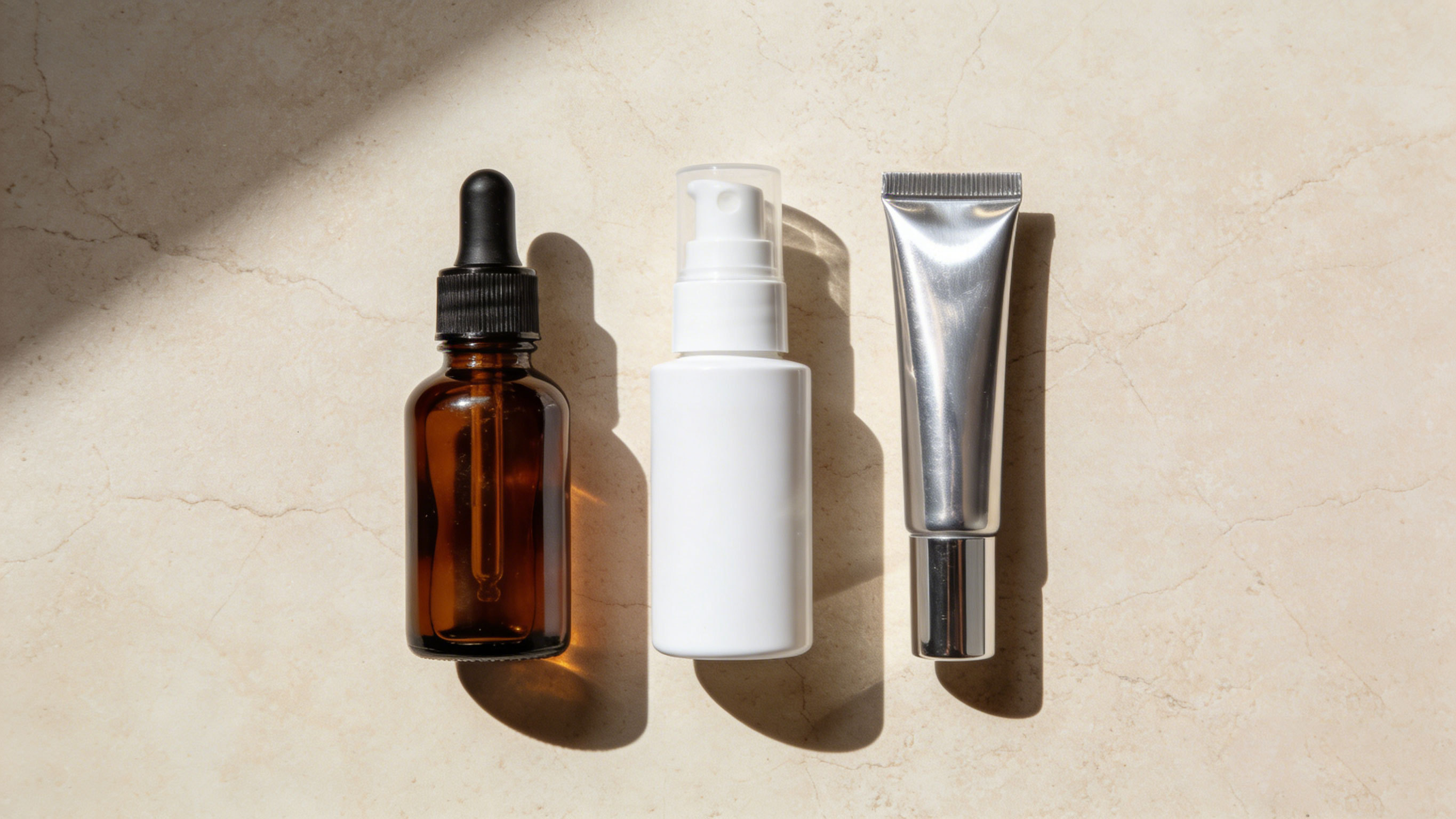
In the competitive beauty market, your packaging acts as a "Silent Salesman," influencing consumer perception in mere seconds. However, for private label entrepreneurs, navigating the choice between the timeless luxury of Glass, the versatile durability of Plastic, and the trendy, eco-friendly appeal of Aluminum can be overwhelming. Each material carries its own distinct implications for shipping costs, sustainability narratives, and brand identity, making the decision far more complex than simply picking what looks best on a shelf.
At LIZEE, we understand that packaging is not just about aesthetics—it is about ensuring the safety and stability of the formula inside. Making the wrong choice can lead to chemical reactions, leakage, and financial risk. In this Private Label Skincare Packaging Guide, we leverage our manufacturing expertise to break down the pros, cons, and critical compatibility factors of each material, helping you make an informed decision that secures both your brand image and your product quality.
The "Silent Salesman" on the Shelf
Imagine a customer walking into a beauty store or scrolling through Instagram. They stop at your product. They have exactly 3 seconds to make a judgment call. Before they ever smell the fragrance or feel the texture of your cream, they judge your brand based on one thing: The Packaging.
In the beauty industry, packaging is often called the "Silent Salesman." It communicates your price point, your values, and your efficacy without saying a word. A heavy glass jar whispers "Luxury" and "Potency." A sleek aluminum tube shouts "Minimalist" and "Eco-conscious." A soft-touch bottle says "Gentle" and "Safe."
However, for skincare entrepreneurs and private label buyers, choosing the right material is often overwhelming. You are faced with a dizzying array of acronyms: PET, PP, PMMA, PCR, Glass, Aluminum. Make the wrong choice, and you risk not only a cheap brand image but, more dangerously, a chemical reaction that ruins your formula.
At LIZEE, we don’t just manufacture formulas; we engineer complete product solutions. In this guide, we will navigate the complex world of packaging materials to help you balance aesthetics, cost, and safety.
In the beauty industry, packaging is often called the "Silent Salesman." It communicates your price point, your values, and your efficacy without saying a word. A heavy glass jar whispers "Luxury" and "Potency." A sleek aluminum tube shouts "Minimalist" and "Eco-conscious." A soft-touch bottle says "Gentle" and "Safe."
However, for skincare entrepreneurs and private label buyers, choosing the right material is often overwhelming. You are faced with a dizzying array of acronyms: PET, PP, PMMA, PCR, Glass, Aluminum. Make the wrong choice, and you risk not only a cheap brand image but, more dangerously, a chemical reaction that ruins your formula.
At LIZEE, we don’t just manufacture formulas; we engineer complete product solutions. In this guide, we will navigate the complex world of packaging materials to help you balance aesthetics, cost, and safety.
Decoding the Materials (Pros, Cons, and Trends)
Glass: The Icon of Luxury
Glass remains the undisputed icon of prestige in the skincare industry. Ideally suited for high-end serums, facial oils, and perfumes, it offers a weighty, cool-to-the-touch tactile experience that plastic simply cannot mimic. When a customer picks up a heavy glass jar, the immediate psychological signal is one of value and potency. For brands looking to justify a premium price point, glass is often the default choice to communicate superior quality before the product is even opened.
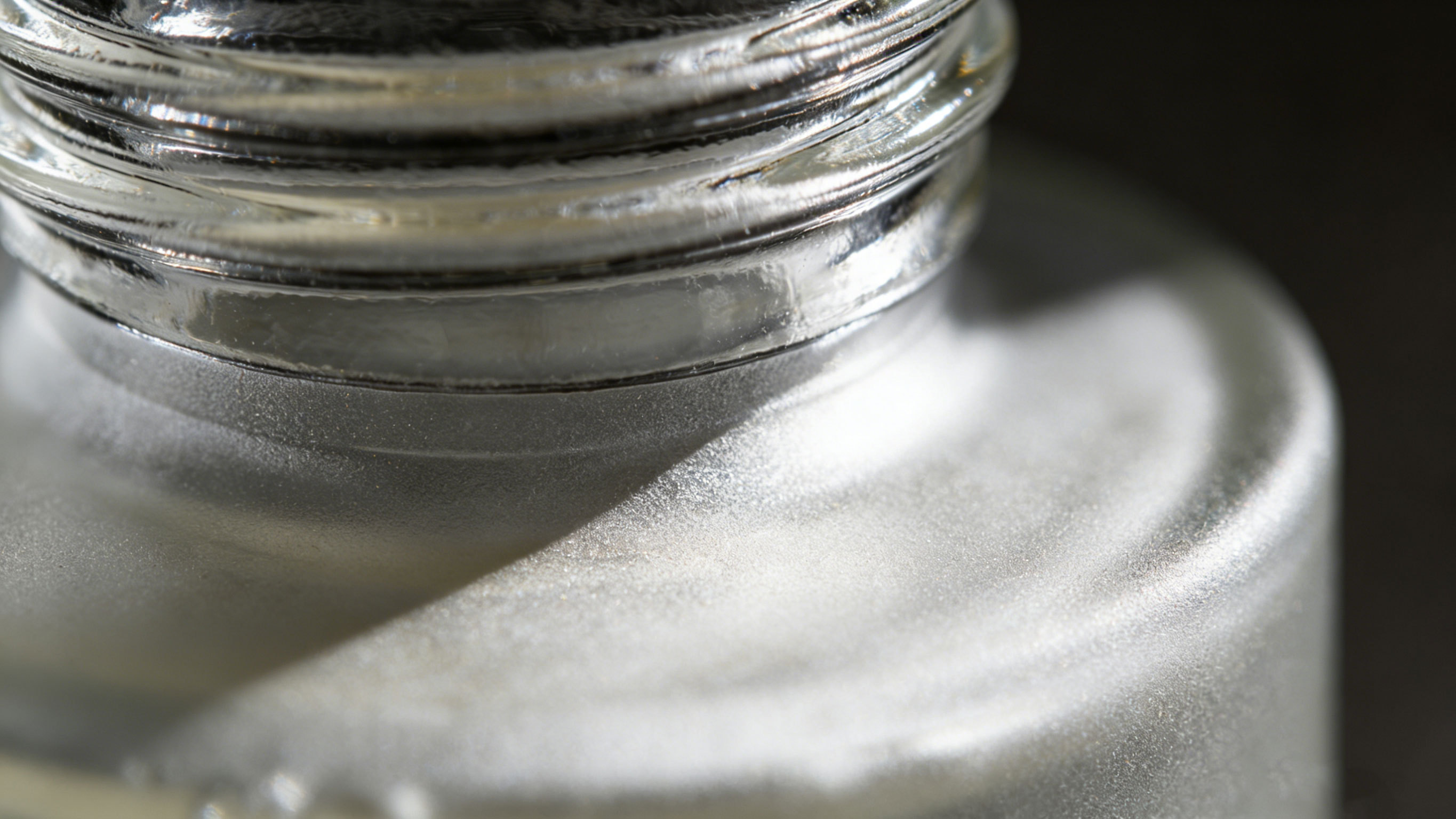
Beyond its aesthetic appeal, glass is functionally superior due to its chemical inertness. It is impermeable and non-reactive, making it the safest "vault" for unstable or active-rich formulations like Retinol and Vitamin C. Currently, we are seeing a surge in demand for specialized options like Miron Violet Glass and Frosted Amber Glass. These variations do not just add a pharmaceutical edge to your brand aesthetic; they provide critical functional protection by blocking UV light to prevent ingredient degradation
Plastic: Versatile, Durable, and Evolving
"Plastic" is often misunderstood in the modern market, but it is not a dirty word. In reality, it remains the backbone of the cosmetic industry for good reason. It isn't just one material; it is a family of advanced polymers that offer unmatched versatility. For complex mechanisms like Airless Pumps—which are crucial for preserving organic and preservative-free formulas—high-quality plastic is often the only viable engineering solution. It is lightweight, shatterproof, and cost-effective for shipping. The key is not to avoid plastic entirely, but to choose the right grade of plastic that ensures durability without compromising your brand's quality perception.
1. PET / PETG (Polyethylene Terephthalate):
The Look: High clarity, often mimicking glass ("Glass-polymer").
Best For: Toners, cleansers, shampoos.
Pros: It is shatterproof and lightweight, drastically reducing shipping costs compared to glass. It is also fully recyclable.
2. PP (Polypropylene):
The Look: Often opaque or semi-transparent with a satin finish.
Best For: Complex components like Pump Heads, Caps, and Airless Bottles.
Pros: High chemical resistance. It is the workhorse of the industry because it doesn't break down easily when in contact with essential oils.
3. Acrylic (PMMA):
The Look: Crystal clear, thick-walled, ultra-glossy.
Best For: Prestige luxury jars that need to look like crystal but travel safely.
Pros: Extremely durable and scratch-resistant. It offers a "double-wall" look (a jar inside a jar) which enhances the perceived size and value.
Aluminum: The "Eco-Cool" Contende
Aluminum has recently emerged as the "eco-cool" contender in the packaging world, particularly favored by brands targeting Gen Z with a minimalist, industrial, or gender-neutral aesthetic. It creates a distinct visual disruption on retail shelves filled with plastic jars. This material is an excellent choice for thicker, viscous formulations such as hand creams, detox clay masks, and heavy moisturizing balms, giving the product an artisanal or "apothecary" vibe that is currently trending on social media.
Functionally, aluminum tubes offer a distinct mechanical advantage: they are collapsible. Unlike plastic tubes that suck air back in after being squeezed, aluminum stays collapsed, effectively preventing oxygen from entering and oxidizing the formula inside. From a sustainability perspective, aluminum is a clear winner. It is infinitely recyclable without losing quality, allowing brands to offer a truly circular packaging solution that appeals to environmentally conscious consumers.
The Sustainable Revolution: PCR & Bioplastics
The modern consumer is voting with their wallet, and sustainability has moved from a niche trend to a global requirement. If your brand positioning involves "Clean Beauty" or eco-consciousness, your packaging must reflect the ethics of the formula inside. You simply cannot ignore this category. Today's buyers scrutinize not just the ingredients list, but the environmental footprint of the bottle itself. To resonate with this eco-aware demographic and future-proof your brand against tightening regulations, incorporating recycled or renewable materials is no longer optional—it is essential.
PCR (Post-Consumer Recycled) Plastic:
This is plastic made from recycled milk jugs and water bottles. Lizee Care can source packaging with 30%, 50%, or 100% PCR content. It reduces your carbon footprint and is a massive selling point for Western markets.Sugarcane Bioplastic:
Derived from renewable sugarcane rather than fossil fuels. It functions exactly like standard plastic but with a green backstory.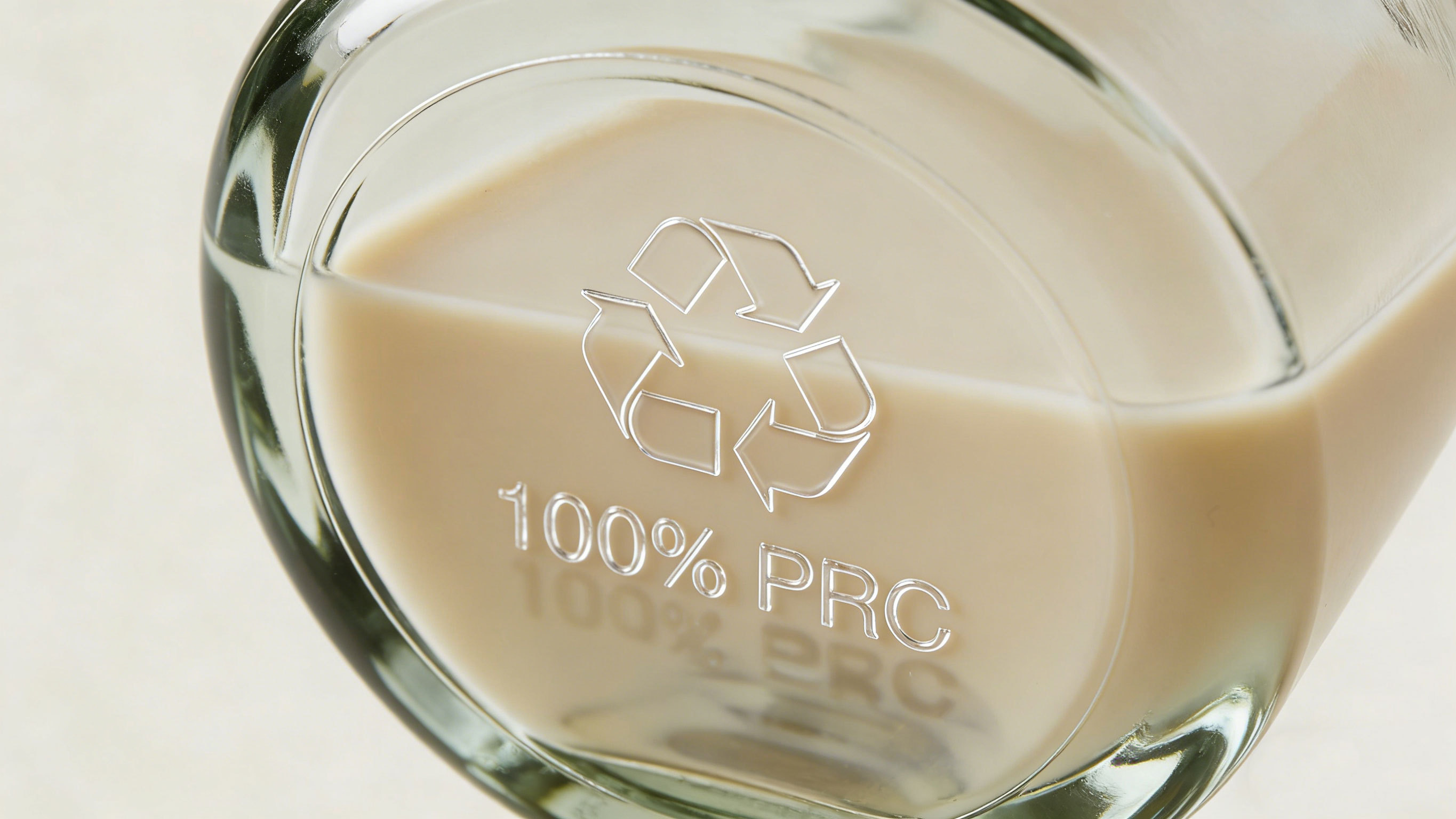
The Factory Advantage – Why Compatibility Matters
A new brand buys beautiful bottles from a cheap trading company online. They fill them with their expensive Citrus Essential Oil Serum. Two weeks later, the bottles start to warp, crack, and leak. The plastic has dissolved into the serum. The entire batch is ruined.
This happens because of poor "Compatibility." Not every formula gets along with every plastic. High concentrations of essential oils, SPFs, or certain silicones can attack low-quality plastics.
This happens because of poor "Compatibility." Not every formula gets along with every plastic. High concentrations of essential oils, SPFs, or certain silicones can attack low-quality plastics.
How LIZEE Protects Your Investment:
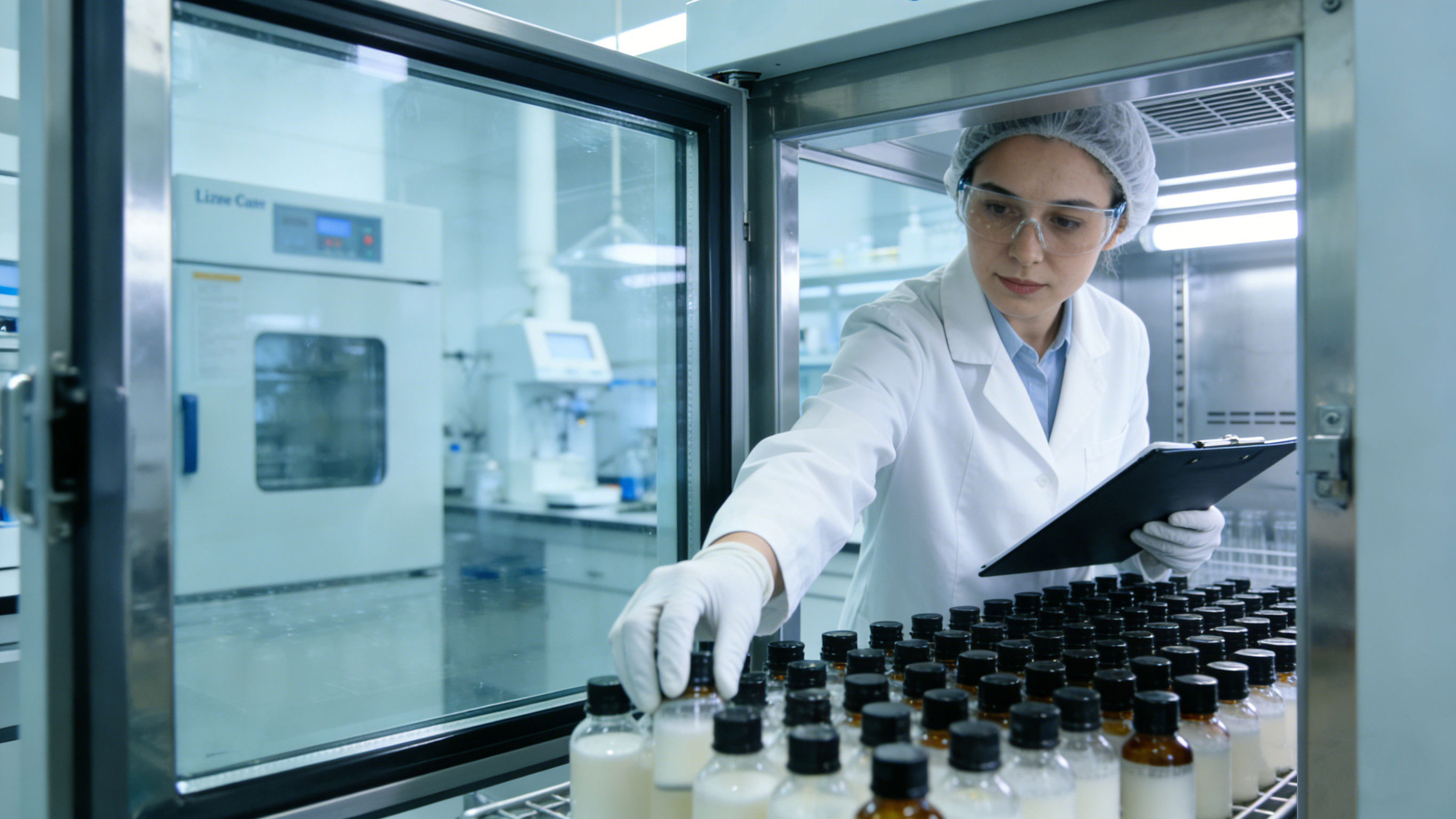
Unlike a simple packaging vendor, we are a manufacturer. We understand the chemistry between the Formula and the Vessel. Before we mass produce your order, our engineers conduct rigorous stability tests:Thermal Cycling:
Subjecting the filled packaging to extreme heat and freezing cold to ensure it doesn't crack or leak.Vacuum Testing:
Ensuring pumps don't leak under high-altitude pressure (crucial for air shipping).Compatibility Immersion:
Checking for any chemical leaching or discoloration.When you choose LIZEE, you aren't just buying a bottle; you are buying insurance for your brand.
Let's Build Your Product Identity
Choosing the right packaging is a balancing act between your Brand Image, your Target Audience, your Budget, and your Formula's needs. You don't have to make this decision alone.
At LIZEE, we have a vast library of thousands of packaging molds—from stock options for low MOQ startups to fully custom tooling for established enterprises.
Step 1: Tell us your product concept (e.g., "A luxury Vitamin C serum" or "An eco-friendly body lotion").
Step 2: Our team will recommend the safest material and the most trending designs.
Step 3: We send you a curated sample kit to feel the weight and texture yourself.
Don't risk your brand on guesswork. Contact our packaging engineers today and let’s find the perfect home for your formula.