Post-Procedure Barrier Recovery OEM: Formulating Fragrance-Free Clinic Skincare
- Share
- Issue Time
- Nov 24,2026
Summary
A practical B2B guide to formulating fragrance-free post-procedure skincare for aesthetic clinics and med-spas. Spotlights copper peptides (GHK-Cu) alongside beta-glucan, panthenol (B5), and ceramides, explains how to avoid EDTA and acid incompatibilities, covers hygienic airless packaging and FDA/EU cosmetic claim rules, and outlines LIZEE Care's flexible OEM launch process.
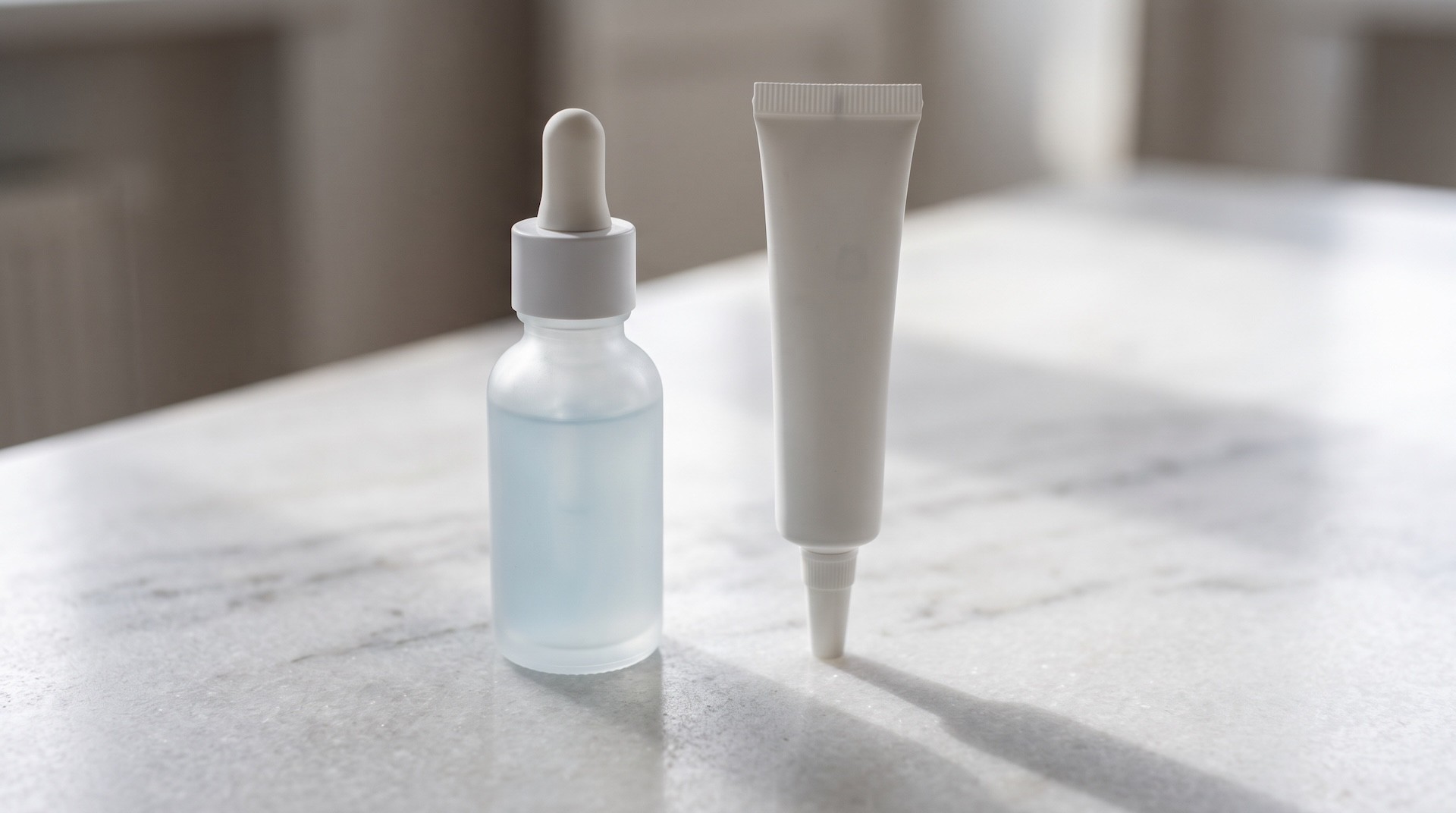
To formulate fragrance-free post-procedure skincare for clinics and med-spas, keep ingredient lists short, lead with copper peptides (GHK-Cu) alongside beta-glucan, panthenol, and ceramides, pack formulas in airless pumps or narrow-nozzle tubes to limit contamination and oxidation, and keep all label wording within cosmetic comfort and hydration claims.
- Why Clinics Need Post-Procedure Skincare Lines?
- Why Lead With Copper Peptides (GHK-Cu) in Clinics?
- How Beta-Glucan, B5 & Ceramides Support Recovery?
- Which Irritants Should Fragrance-Free OEM Skip?
- How Hygienic Packaging & Compliance Protect Lines?
- How Do Clinic Skincare OEM Launches Work?
- Frequently Asked Questions on Clinic OEM
- Start Your Post-Procedure Skincare Line
When a client finishes a chemical peel, microdermabrasion session, or light laser facial, their skin often feels warm, dry, and reactive for several days. Sending them home with a standard retail moisturizer containing added fragrance or strong acids can easily cause stinging and undermine the clinic experience.
If you run a med-spa, beauty clinic, or professional skincare brand planning recovery SKUs alongside our facial care or anti-aging lines, focusing on four well-tolerated recovery ingredients and disciplined hygiene standards makes your launch far more dependable.
Why Clinics Need Post-Procedure Skincare Lines?
Aesthetic clinics and day spas are paying much closer attention to at-home care after an appointment. Clients who invest in professional facials expect clear guidance on what to apply during the first week of recovery.
Offering a clinic-branded take-home kit—typically a calming serum, a rich barrier cream, or a cooling sheet mask—solves two practical needs at once. It helps clients avoid irritating their skin with harsh products at home, and it turns a single visit into steady retail repeat sales.
Why Lead With Copper Peptides (GHK-Cu) in Clinics?
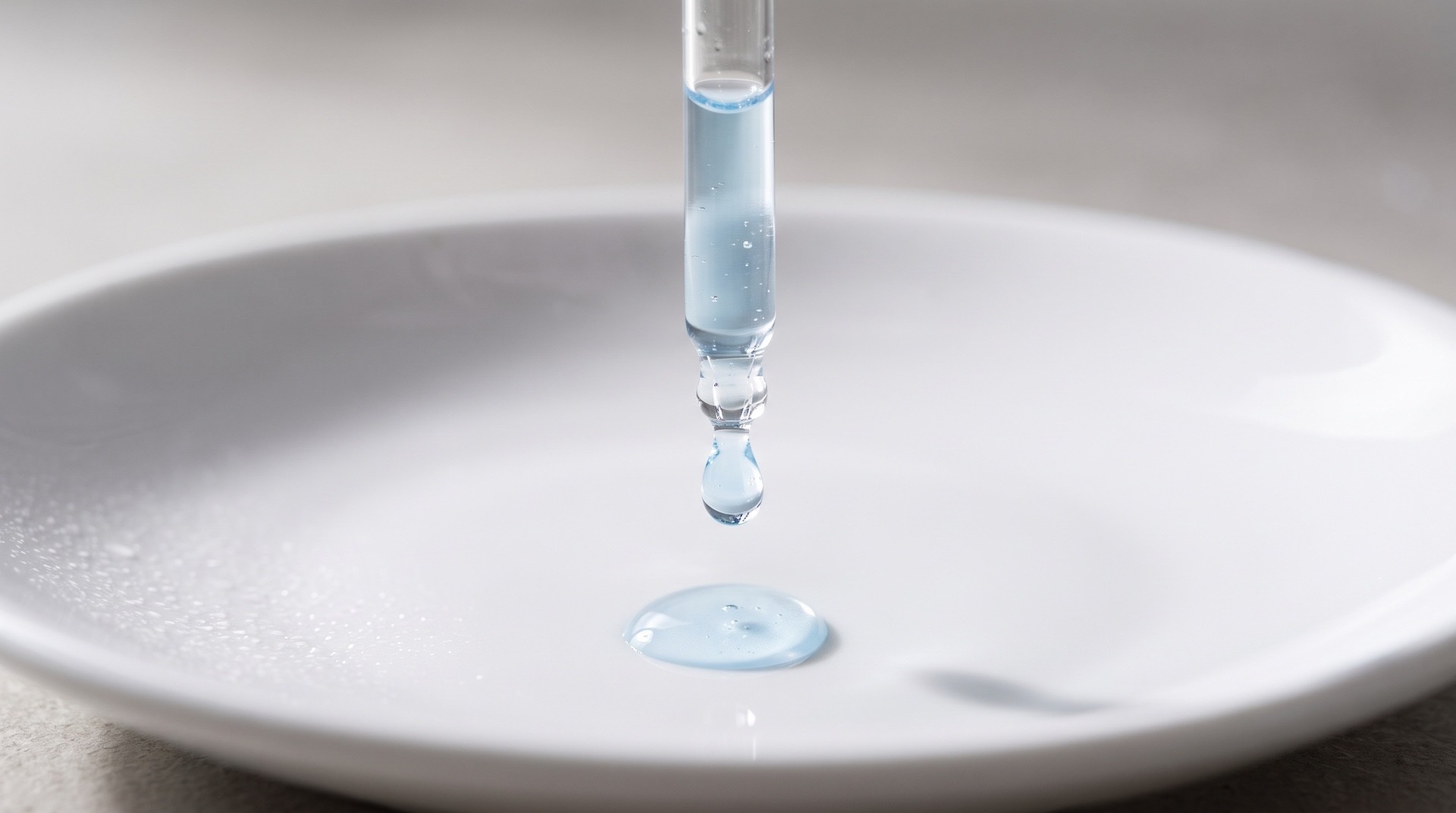
Among clinic recovery ingredients, Copper Peptides (Copper Tripeptide-1, commonly known as GHK-Cu) stand out as a hero active. Naturally present in the human body, GHK-Cu is a small peptide bound to a copper ion. In a water-based serum, it gives the liquid a signature pale blue tint with no added dyes required.
For post-procedure and sensitive-skin lines, clinics value GHK-Cu because it helps calm stressed skin, supports elasticity, and restores a firmer, bouncier feel without the peeling or sun sensitivity associated with retinol.
Because GHK-Cu is chemically delicate, careful formulation makes a clear difference:
- Separate from Strong Acids & Direct Vitamin C: Low-pH exfoliating acids (like AHA or BHA) and pure L-ascorbic acid can disrupt the bond between the peptide and copper ion, weakening the formula.
- Avoid Harsh Chelators Like Disodium EDTA: Common stabilizers such as Disodium EDTA compete for the copper ion and can pull it away from the peptide complex, reducing stability and performance.
- Cool Processing & Skin-Friendly pH: GHK-Cu should be added at cool temperatures after initial mixing, buffered to stay pH-balanced to match healthy skin, and packed away from direct UV light so its natural blue shade and activity remain consistent.
How Beta-Glucan, B5 & Ceramides Support Recovery?
Rather than crowding a clinic formula with twenty trendy extracts, dependable post-procedure lines keep the ingredient list focused and pair GHK-Cu with three proven partners:
| Core Recovery Active | What It Does in Plain Terms | Best Clinic Format | Formulation & Pairing Note |
|---|---|---|---|
| Copper Peptides (GHK-Cu) | Calms stressed skin and supports firmness and bounce during recovery. | Pale blue recovery serums and soothing ampoules. | Avoid strong acids and EDTA; pack in UV-blocking or airless bottles. |
| Beta-Glucan | Delivers deep, cushiony moisture and settles surface tightness quickly. | Cooling recovery gels, serums, and calming masks. | Pairs smoothly with GHK-Cu and leaves a non-greasy finish. |
| Panthenol (Vitamin B5) | Pulls water into dry, dehydrated skin and softens rough patches. | Hydrating B5 serums, mists, and daily recovery creams. | Mild and water-soluble; easy to layer morning and night. |
| Ceramides | Replenishes surface lipids to lock moisture in and reinforce fragile barriers. | Rich take-home barrier creams and clinic backbar lotions. | Seals over a GHK-Cu or B5 serum to reduce overnight water loss. |
Sticking to these four core ingredients makes it easy for estheticians to explain the routine clearly during a consultation while keeping potential irritants to a minimum.
Which Irritants Should Fragrance-Free OEM Skip?
In clinic skincare, what you leave out is just as important as what you put in. A clean post-procedure brief usually builds around four practical guidelines:
- No Added Synthetic Fragrance: Skipping added perfume removes one of the most common triggers for stinging on freshly treated skin.
- No Added Essential Oils: Even natural lavender, peppermint, or citrus oils carry aromatic compounds that can irritate sensitized skin.
- Avoid Drying Alcohols & Harsh Acids: Keep high-level denatured alcohol, gritty scrubs, and strong exfoliating acids out of recovery SKUs.
- Mild Preservation & Third-Party Clinical Testing: Our Quality Control Lab runs internal bacteria and mold growth checks (preservative challenge testing) and hot-and-cold temperature stability tests on every formula. If your clinic or brand wants human efficacy or patch testing to substantiate hydration, soothing, or firmness claims, LIZEE Care can also coordinate directly with our vetted partner third-party testing laboratories on your behalf.
How Hygienic Packaging & Compliance Protect Lines?
Open wide-mouth jars are a poor fit for clinic recovery creams. Repeated finger contact introduces bacteria and air into the jar, raising hygiene risks for fragrance-free formulas and speeding up oxidation in copper peptide blends.
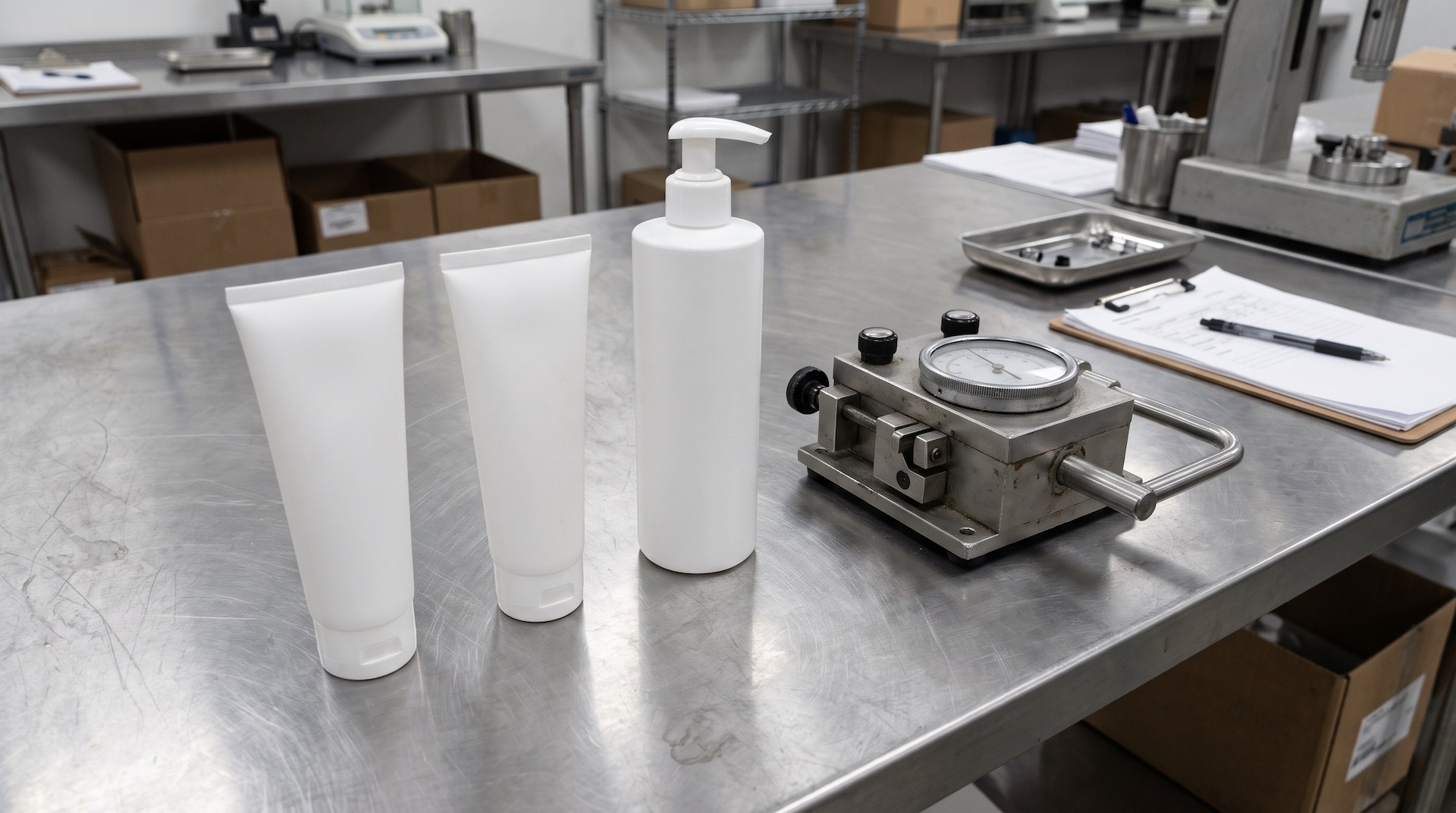
Instead, clinic lines rely on airless pump bottles with a rising piston that limits air contact, narrow-nozzle squeeze tubes for hygienic take-home creams, large-format clinic backbar dispensers for treatment rooms, and sealed single-use foil pouches for cooling masks such as our Custom Cica Calm Repair Facial Sheet Mask. If you do not have your own packaging vendors, LIZEE Care can source airless bottles, tubes, and pumps on your behalf and work directly with packaging suppliers to run pump endurance, leakage, and formula compatibility tests before production.
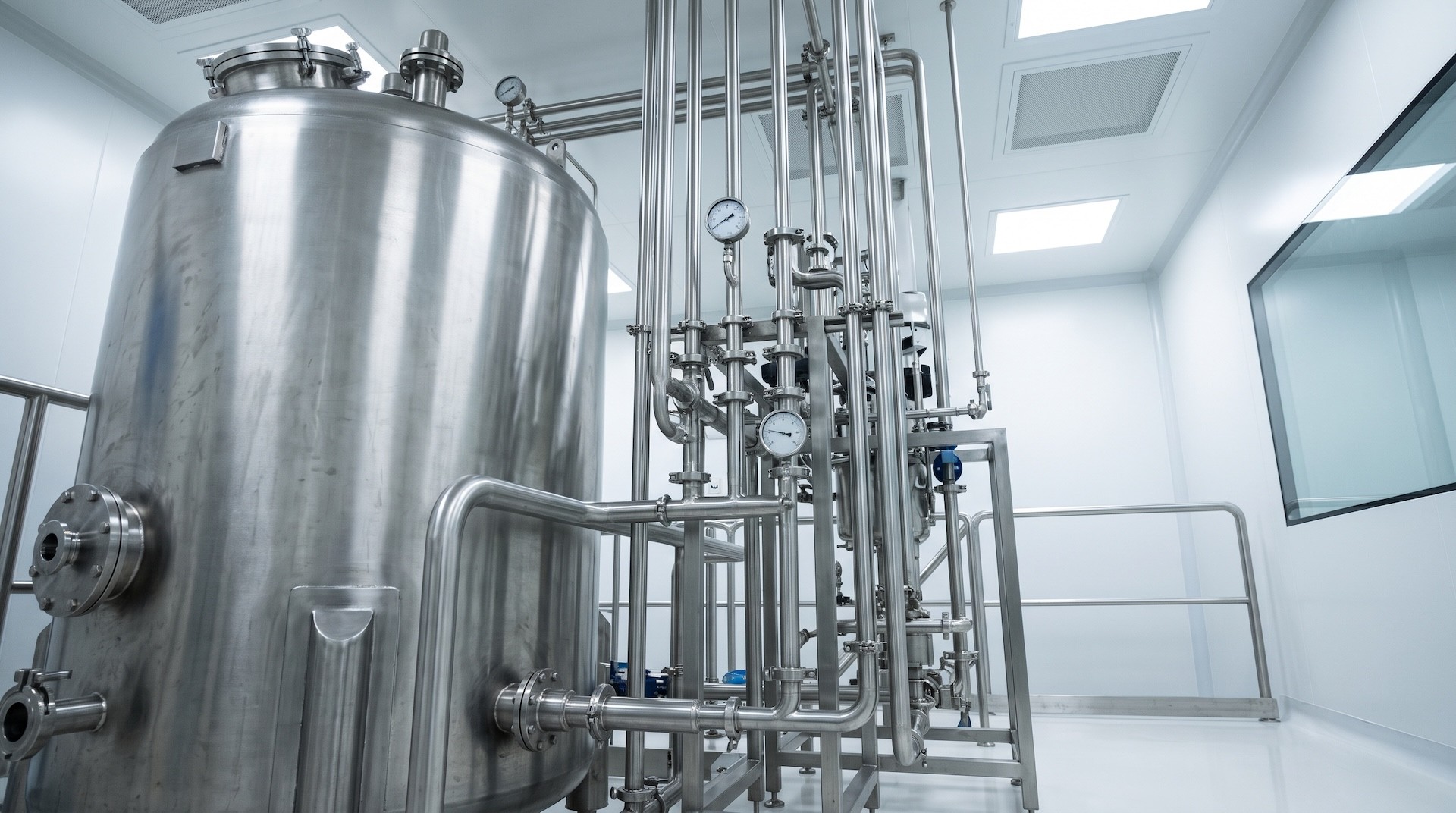
Regulatory wording is equally important for clinic brands. Cosmetic post-procedure products are intended for intact skin to hydrate, soothe, and support a healthy-looking barrier, not as sterile medical devices or open-wound dressings. Under FDA Cosmetics Labeling Claims rules, stick to cosmetic phrasing like "calms the look of redness" and "supports moisture recovery" rather than medical healing claims. Always confirm your factory operates GMPC and ISO 22716 certified cleanrooms and holds active FDA MoCRA facility registration. LIZEE Care is FDA registered with a designated US Agent and checks ingredients against the EU CosIng database.
How Do Clinic Skincare OEM Launches Work?
Founded in 2012, LIZEE Care supports clinics and brands across our Private Label and Custom Manufacturing programs without forcing an all-or-nothing choice. You can start with ready-to-brand, stability-tested bases, take a semi-custom route by formulating a proven base without added fragrance or enriching it with GHK-Cu and beta-glucan (subject to lab stability checks), or develop a bespoke formula from scratch.
Bottled serums, tubes, and backbar lotions start from our standard 1,000-bottle baseline per SKU. Final minimums adjust based on container volume, product format—facial sheet masks require 10,000 pieces per SKU due to foil pouch printing and automated line minimums—and custom printing or specialty raw material pack sizes. A standard launch moves through four clear steps:
Frequently Asked Questions on Clinic OEM
Yes, the soft blue tint comes naturally from the GHK-Cu copper complex without added dyes. To keep both the color and peptide stable over time, we avoid EDTA and strong acids in the formula and recommend UV-blocking or opaque airless bottles.
No. Cosmetic recovery skincare is intended for intact skin to hydrate, soothe, and support a healthy-looking barrier after non-invasive treatments. Marketing a cosmetic as a wound-healing treatment or sterile medical dressing can violate FDA and EU regulations.
Not when formulated cleanly. We select refined base lipids and low-odor ingredients so fragrance-free creams and serums smell neutral and clean right out of the pump without masking perfumes.
Yes, many clinics run one approved formula across two container sizes to keep treatment-room and retail experiences consistent, with each size quoted based on its packaging minimum. Standard pricing is EXW (Ex Works) with T/T 50/50 terms, and freight consolidation can be arranged on request. For more details on lead times and project policies, visit our LIZEE Care FAQ page.
Ready to test fragrance-free GHK-Cu, beta-glucan, B5, and ceramide formulas for your clinic or brand? Contact our team with your target treatment menu, preferred packaging, and estimated order quantity to request free semi-finished lab samples.
Request Lab Samples & Quote