Tinted Skincare OEM Guide: Planning Shade Ranges, Preventing Oxidation & Navigating SPF Rules
- Share
- Issue Time
- Nov 25,2026
Summary
A practical B2B and wearer-focused guide to launching tinted skincare. Explains how to start lean with 3 to 5 neutral-balanced shades, prevent afternoon orange oxidation with coated pigments, compare non-SPF cosmetics against U.S. FDA OTC SPF drug rules, and plan packaging, color standards, and OEM launches from a 1,000-bottle baseline per shade.
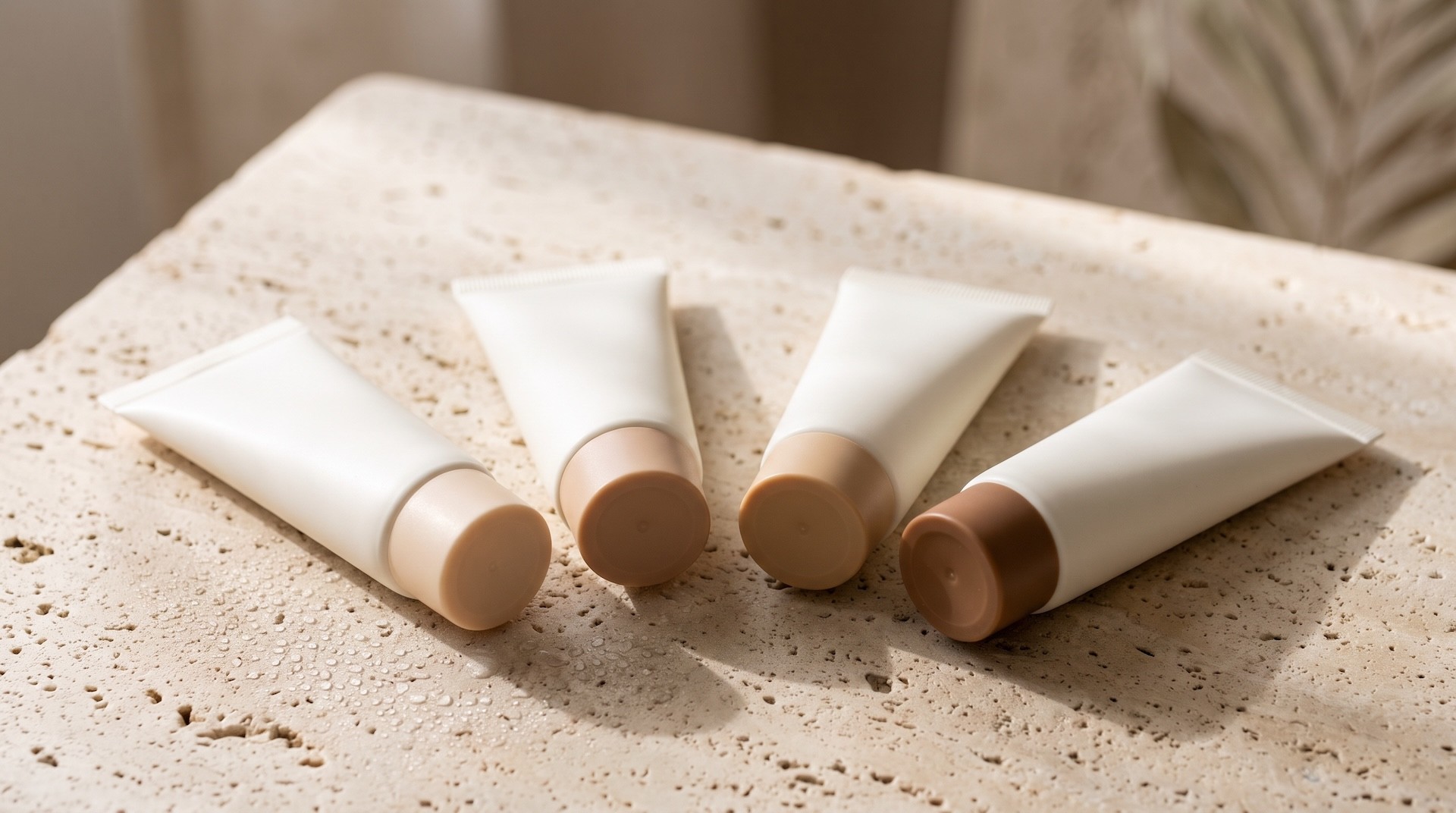
To launch a reliable tinted skincare line, start with 3 to 5 flexible, neutral-balanced shades that stretch across adjacent skin tones, use surface-treated pigments and antioxidants to prevent afternoon orange shift, and decide early whether to launch as a fast-track cosmetic tint or invest in formal SPF testing and OTC drug labeling.
- How Many Shades Should a Tinted Line Start With?
- How to Balance Undertones Without Inventory Risk?
- Why Do Tinted Creams Oxidize or Turn Orange?
- Cosmetic Tint vs SPF Drug: What Rules Apply?
- What Packaging Keeps Pigments Fresh & Consistent?
- How to Plan a Smooth Tinted Skincare OEM Launch?
- Frequently Asked Questions on Tinted Planning
- Plan Your Custom Tinted Skincare Launch
Launching a clear serum is straightforward because every customer buys the exact same bottle. Launching a tinted moisturizer, BB cream, or CC cream is a different project altogether. You have to balance shade selection against inventory cost, keep colors from darkening on oily skin by lunchtime, and navigate strict sun-protection rules if you want an SPF number on the front label.
If you are developing a complexion line from our Tinted Skincare (BB & CC) Customization lineup, planning these three areas before sampling saves months of back-and-forth.
How Many Shades Should a Tinted Line Start With?
Full-coverage liquid foundations usually require 20 or more exact shades so shoppers do not end up with a harsh color line along the jaw. Sheer, buildable tinted skincare works differently. Because lightweight pigments let natural skin tone show through, one well-balanced shade can comfortably fit two or three adjacent skin tones.
For most emerging retail brands and aesthetic clinics, launching with 3 to 5 core shades—such as Fair-Light, Light-Medium, Medium-Tan, and Deep—is the most practical starting point. It lets you serve a broad audience and collect real sales data before investing in a 10- or 15-shade expansion.
How to Balance Undertones Without Inventory Risk?
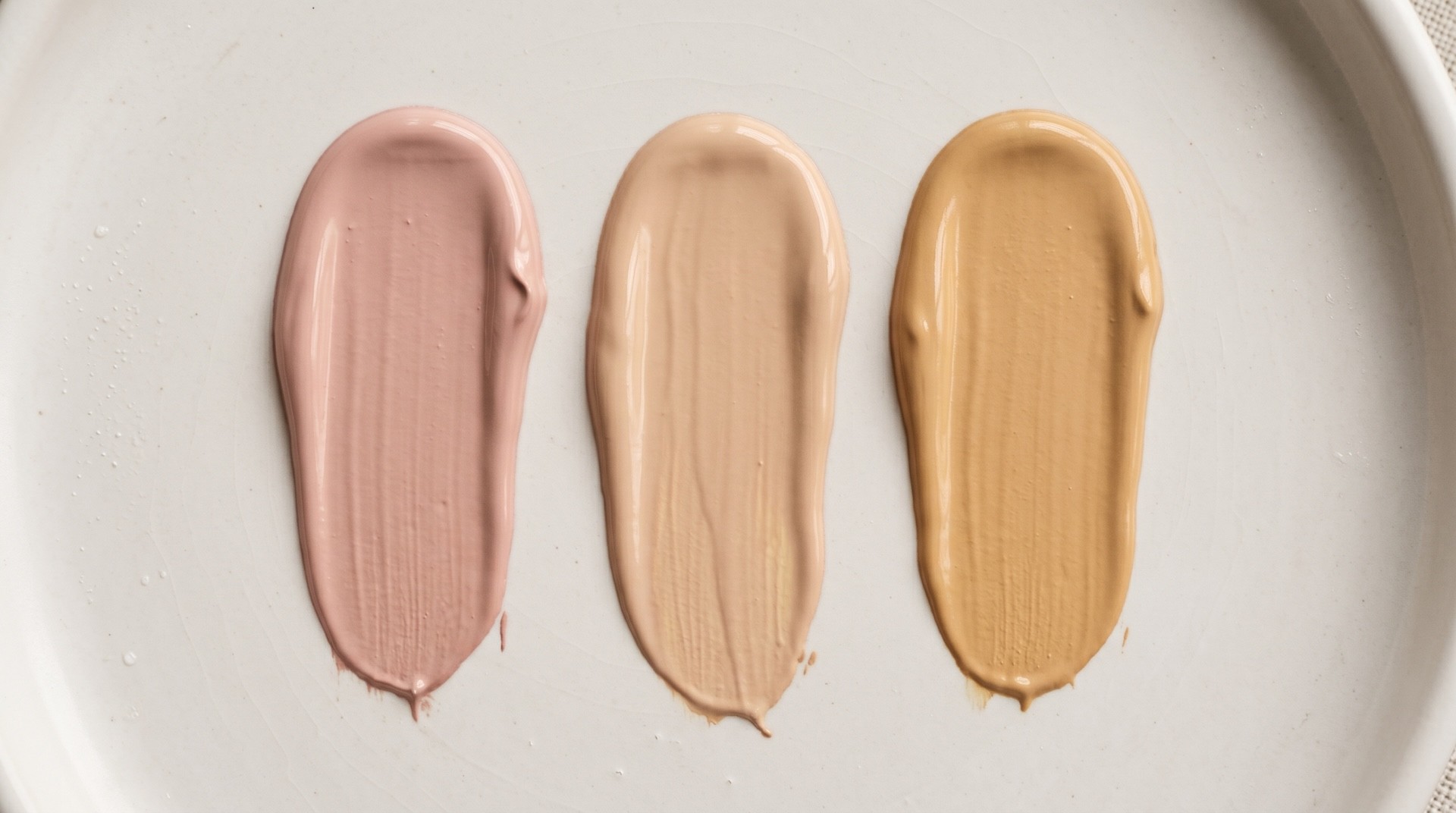
When shoppers buy tinted skincare online, undertone mismatch causes more returns than coverage level. Shades generally lean in one of three directions:
- Cool Undertones (Rosy or Pink): Suit fair-to-deep skin with pink undertones, but can look chalky or gray on golden or olive skin.
- Warm Undertones (Golden or Yellow): Flatter olive and warm complexions, though too much yellow can look sallow on fair skin.
- Neutral Undertones (Balanced): Sit cleanly in the middle, making them the most forgiving choice when you are launching with a compact 3-to-5-shade lineup.
Once your team approves a shade, batch-to-batch color consistency becomes essential for reorders. Inside our Quality Control lab, we keep a sealed master color standard for every approved SKU and compare each new production batch under standardized lighting before filling begins.
Why Do Tinted Creams Oxidize or Turn Orange?
One of the most common negative reviews on tinted creams is simple: "It matched my face at 9:00 AM, and by lunch I looked orange."
That color shift—known as oxidation—happens when uncoated iron oxide pigments react with natural facial oils, sweat, and air over several hours. Experienced labs reduce shade shift in three ways:
- Surface-Treated Iron Oxides: Coating mineral pigments slows down how they react with skin sebum, keeping the shade steady through the afternoon.
- Antioxidant Buffering: Adding supporting antioxidants like Vitamin E helps protect both the oil phase and the colorants from air exposure.
- Real-Wear Sampling Checks: Never judge a tinted sample only on the back of your hand for two minutes. When you receive free lab samples, apply a thin layer across your jawline and check the color in natural daylight after 4 to 6 hours of normal wear before signing off.
Cosmetic Tint vs SPF Drug: What Rules Apply?
Adding sun protection is a popular request for BB and CC creams, yet it changes your regulatory path significantly depending on where you sell. Confirming your SPF strategy early prevents costly label reprints or customs holds:
| Positioning Path | Regulatory Category | Testing & Labeling Requirements | Typical Launch Speed |
|---|---|---|---|
| Non-SPF Tinted Skincare | Standard cosmetic (U.S. & EU). | Standard stability, microbiology, FDA MoCRA listing, and EU CosIng checks; cosmetic-only claims under FDA labeling rules. | Fastest path to market. |
| EU / Global SPF Cosmetic | Cosmetic with UV protection (EU, UK, ASEAN). | Approved regional UV filters plus formal in-vivo or in-vitro SPF verification through a qualified third-party lab. | Moderate timeline (adds SPF testing window). |
| U.S. FDA OTC SPF Drug | Over-the-counter (OTC) drug under FDA OTC sunscreen rules. | Approved U.S. OTC UV filters (such as Zinc Oxide or Titanium Dioxide), formal SPF and Broad Spectrum testing, Drug Facts panel, and OTC drug listing. | Longest timeline and highest compliance budget. |
If your brand wants formal SPF verification or human wear and hydration data for any market, LIZEE Care can coordinate testing directly with our vetted partner third-party laboratories. Every production run is made in GMPC and ISO 22716 certified cleanrooms, backed by active FDA facility registration with a designated US Agent and batch-specific COA and SDS files.
What Packaging Keeps Pigments Fresh & Consistent?
Air and moisture loss are the main enemies of a pigmented emulsion. Open wide-mouth jars let tinted creams crust around the rim and darken faster over time.
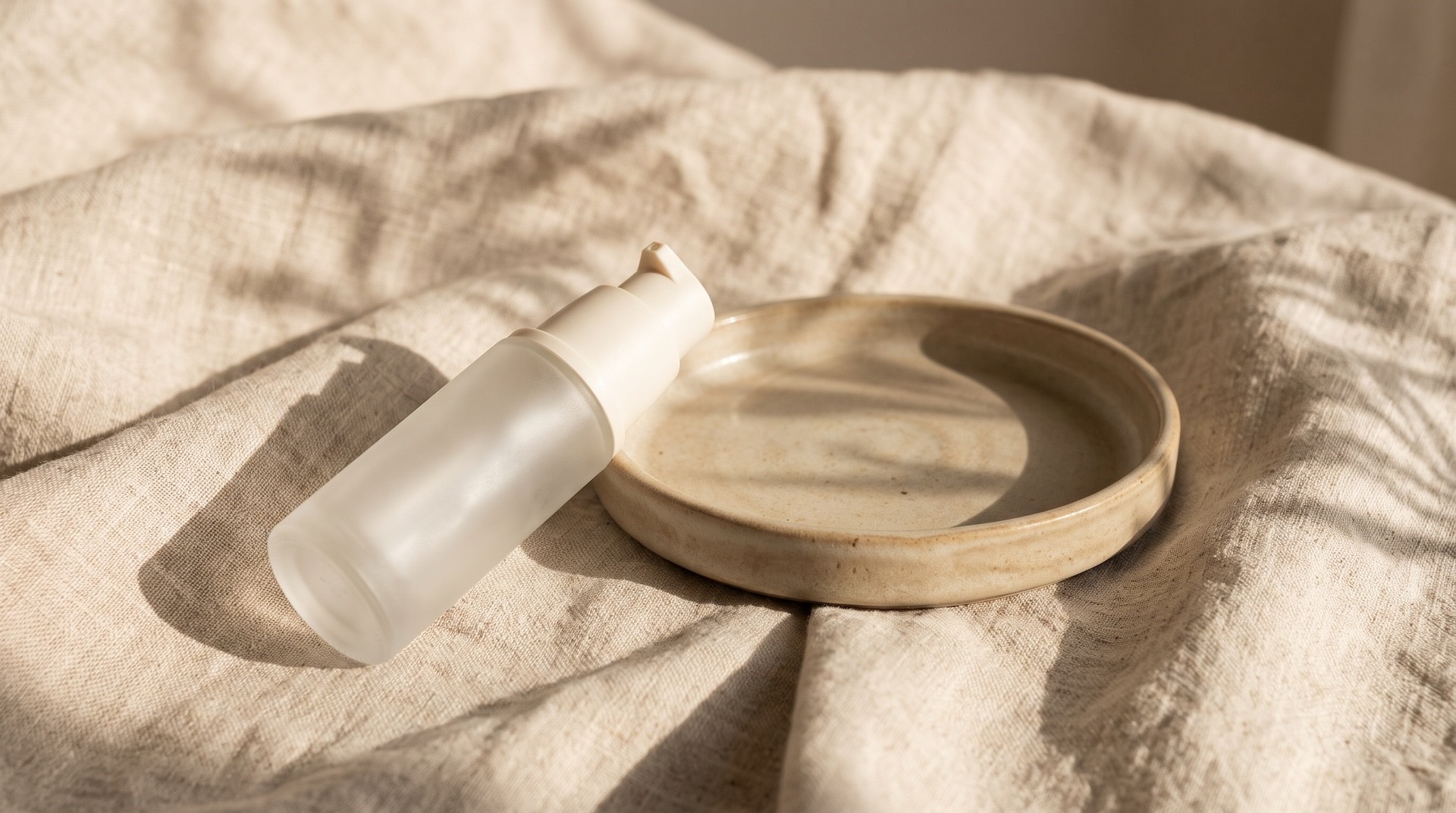
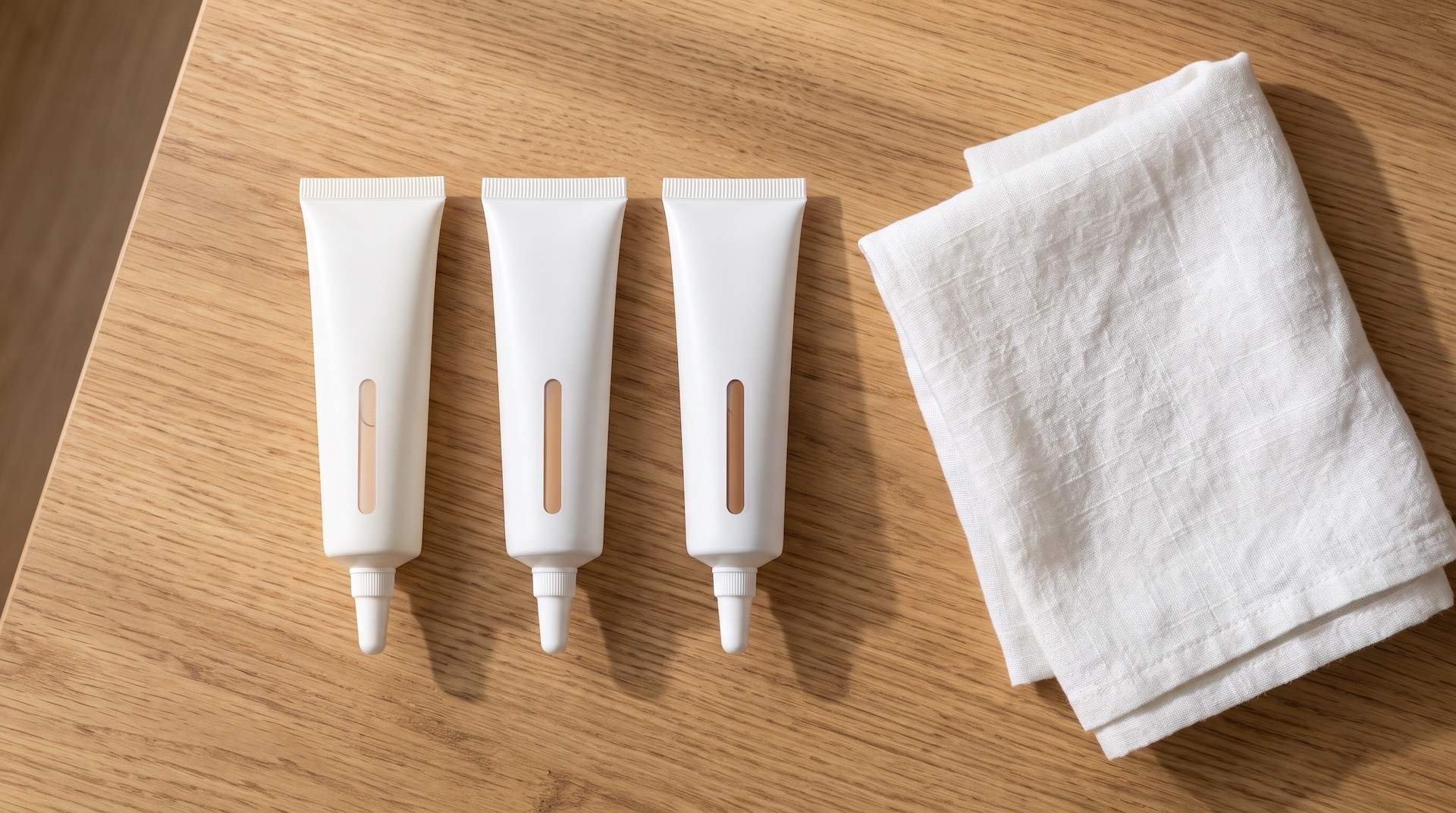
For cleaner daily wear, most brands choose narrow-nozzle squeeze tubes or airless pump bottles that block outside air and dispense controlled drops without messy buildup at the tip. Adding a color-matched cap or a translucent viewing strip also helps retail shoppers spot their shade immediately without opening tester bottles. If you do not have your own packaging vendors, LIZEE Care can source tubes, airless bottles, and pumps on your behalf and work directly with packaging suppliers to run pump endurance, leakage, and formula compatibility tests—alongside our internal hot-and-cold temperature and freeze-thaw stability checks—before mass production.
How to Plan a Smooth Tinted Skincare OEM Launch?
Established in 2012, LIZEE Care works along a flexible spectrum across our Private Label and Custom Manufacturing programs. You can start quickly with ready-to-brand, stability-tested bases, take a semi-custom route by tuning undertones, coverage, matte versus dewy finish, or fragrance-free status (subject to lab stability checks), or build a custom tinted formula from scratch.
Tinted tubes and airless bottles start from our standard 1,000-bottle baseline per shade/SKU, adjusting based on container size, custom molds or printing, and specialty pigment pack sizes. A standard launch moves through four clear stages:
Frequently Asked Questions on Tinted Planning
Every approved shade is stored as a sealed master color standard in our QC lab. When you reorder, our technicians match the new batch visually under standardized light and check viscosity and pH against that retained master before filling begins.
If speed to market and lean testing budgets are your top priorities, launching a non-SPF tinted moisturizer or skin tint under standard cosmetic rules is significantly faster. Once your core shades build steady demand, you can expand into an FDA OTC SPF version with dedicated testing and Drug Facts labeling.
Uncoated or poorly dispersed mineral filters can look chalky on deep complexions. Using finely milled zinc oxide paired with well-balanced warm and neutral surface-treated iron oxides helps deeper shades blend cleanly without a gray cast.
Yes, you can evaluate your planned shade lineup during semi-finished bulk sampling (clients cover international shipping), with 2–3 adjustment rounds included. Standard pricing is EXW (Ex Works) with T/T 50/50 terms, and freight consolidation can be arranged on request. For more details on lead times and project policies, visit our LIZEE Care FAQ page.
Ready to map out your starter shade range and test oxidation-resistant tinted bases? Contact our team with your target market, shade plan, and cosmetic or SPF goals to request free semi-finished lab samples.
Request Lab Samples & Quote